Skip to content

Posts tagged ‘Camera lens’

# 14 FRANK JACKSON, Los Angeles Street Photographer

Leica Liker is honored to have Frank Jackson, a Los Angeles Street Photographer as our #14 guest. Also Leica Liker’s fourth published photographer!

Many of you might know of Frank Jackson already but to those who don’t, he lives and breathes by light. His work first caught my eye when I was roaming the internet for black and white photographs. Then a photographer friend of mine told me about a black and white workshop that was being taught through Samy’s Camera education academy here in Los Angeles. I took the class and walked out of it having learnt not to be afraid of light but rather to embrace it. I always found photography somewhat intimidating because everything seemed so technical. Frank made it user friendly by showing how even a home lamp can be used to make amazing photographs. It’s all about how you view light. Maybe because he taught himself everything. Whatever it is, he had the “midas” teaching touch. He was a total inspiration. I couldn’t stop thinking about all the great photos I could make. You can read my review of the class I took last year here.

“Sometimes I happen to pictures and sometimes pictures happen to me. We sort of flow between each other like people who dance together for a long time.” – Frank Jackson

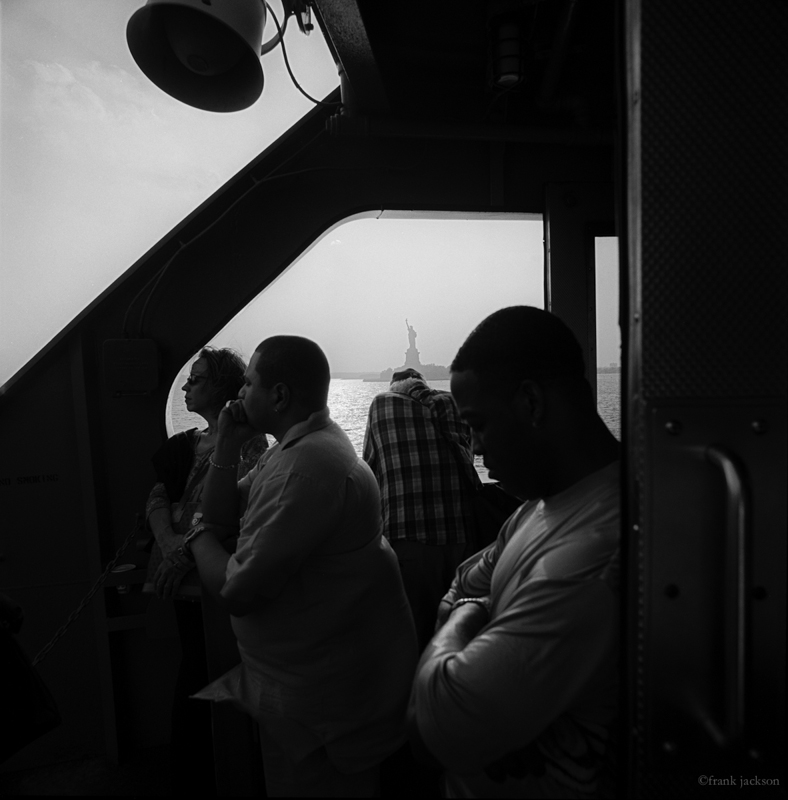
When you look at Frank’s  images, they exude a kind of moodiness, that only an eye for light and a feel for story telling can bring together. For instance, the image below taken on the ferry passing Lady Liberty in New York. On the surface, a simple photo of people thinking while taking the ferry. But the mood and atmosphere bring out a story – one of a rather somber reflection on what it means to be free by all those in the photograph and by us the viewer. That freedom is actually a fleeting thing. Not one to be taken for granted.  I could go deeper and talk about the African Americans and the struggle they had to be “free at last”. Or the woman and all the women who still fight for “equality”.  Despite much progress, this image tell us much has yet to be done.

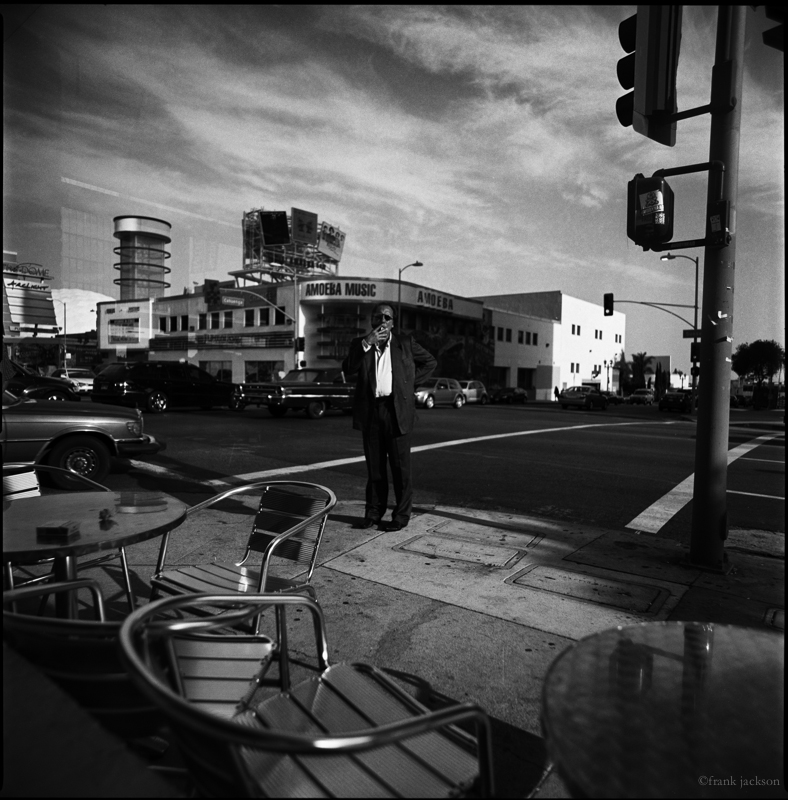
We’ve seen in our series of inspirational interviews with many photographers who have all captured decisive moments. Frank’s images however, are framed to tell a good story. A street portrait of a person not only tell of what a life has experienced, or a thought at the moment, but also what the person is thinking of into the future. Some of Frank’s street scenes capture not so much contrasts, the  humor of the moment, or the juxtaposition of life and environment but in my humble opinion, a whole depth of society much in the tradition of some of the masters of street photography.

Frank’s photographs offer a completeness to an experience of both the tangible (story) and the intangible (feeling, mood).
Here is my interview with FRANK JACKSON:

Nickname: To my immediate family I’m known as Jack because I’m the 3rd Frank Jackson in the family.
Currently living in:  Los Angeles
Motto: It’s funny, in my life not to have one is a good thing…Do what you say you’re going to do. Don’t tell everyone what you’re going do. Just do it. Then there’s no excuse if it doesn’t get done.

Street/Photographer since:  I’m a photographer and I shoot the streets. I’ve been shooting a long time.
Profession/Job: Professional photographer.
Websites: http://www.fotographz.comhttp://fotographzfrankjackson.tumblr.com

Organizations or Groups: None. Every time I’ve been in one, if there is great harmony going on then eventually someone comes in for whatever reason and knock the balance off the group. Somehow, it always happens that way. There are people in the world who can always pull a photograph out of nowhere and some people in a group get pissed at it. The highest compliment I can pay someone is: I envy you.

I don’t get caught up in competition. You see it you snap it and have to have the expertise to get the shot. I tend not to belong to a group now. There’s nothing wrong with it. I believe in forward thinking organizations, showing love for photography and keeping illusion out of it.

After college, you worked at IBM. How did you decide you wanted to be a photographer after working there? How were you able to make the transition? I fell in love with photography first. When you get a camera, the first thing you do is to shoot what see out there. So when I got my first camera, a Asahi Pentax with 50mm Takamara lens and a zoom lens, I knew for sure photography would be part of my life forever. My 2nd camera was an Olympus OM1, with a 50mm lens that I bought. I used it for my first photographic job out of college. Then a used Hasselblad, with 80 mm lens landed in my lap and it wasn’t hot, so I got to keep it. It had a waist level finder and worked like a rangefinder. It was beautiful.

Actually, working at IBM repairing their equipment, helped finance my love for photography and all the gear.  I made so much money and bought everything. I was a total gear head.

If you keep shooting enough, eventually someone sees your work and they hire you. That’s what happened to me while I was still working at IBM. Naturally, I became a corporate photographer.

How did you decide to teach? I hate the word teach. When a schoolteacher must impart knowledge, it’s to have people pass tests. When you help someone learn something you feel they know it when they prove they learned it I like to keep it simple and find out why people are there in my workshops or private lessons. And if they take a class from me it’s because they are there to become better at what they do.  I want you to learn one thing: to open the door to learn other things. Forget about why I do it. Just do it.

Favorite Street Camera & Lens:  Rangefinder first- get a good one and learn to look through that view finder window. You can see outside and inside the lines. Afterwards you start to see like that. Leica makes the simplest and the best. But if you have a cheap plastic camera, and get the shot you want, more power to you. My first 35mm range finder was the Leica M5. What a great camera.

Now I own a Nikon D800 and Leica M6 (one of a kind- custom rebuilt for me, basically M6, with old style M3 dials) with 50mm lens and my logo on the leather.  Like I said earlier, I was once a gear head. But I gave that up. I am no longer a camera collector.

I want to say, people generally equate pictures with the camera used and not the person. I don’t want to know what camera shot the photo. Some of the best images in world were taken with many non-legendary cameras. Marketing lionized the cameras afterwards. It’s the boutique syndrome. For instance, Rolex makes the best watches. You can say that about Leica or Nikon, etc. They all have their niche. The bottom line: the best camera is only as good as the people who make them ready for use. Like buying a custom made gun. If you can’t shoot with it then you’re not going to eat. Simple as that.

BTW, my cameras don’t look beat up. They always look new when I use them. It’s all about taking care of them, treating them with respect.

Back-up Street Camera & Lens: Panasonic GX1 4/3rds with prime 20mm f1.7 equivalent to 40mm in full frame. Gives film quality files that are amazing to see. People can’t dispute that it wasn’t a film camera.  My Sony Nex7 is another choice, but you can only shoot one at a time.

What was your first Leica and why? I got my first Leica before I moved to Los Angeles and took on the IBM job. I saw the Leica M5, the first rangefinder when I sent my Hasselblad in for repair. I looked at it and it was nice. So I asked how much for the Hasselblad. The camera guy said $100 + Hasselblad. Well it didn’t help to have a body. I also needed a lens. I put money down on the 90mm Summicron. What’s cool about the M5 is that you look through a window with a focusing patch. I got a normal lens 1-2 years later.

Which Leica do you love and recommend? I would love to own a Leica MP. It’s really the M6 with a changed plate. I love the look of it.
Favorite photography gadget:  I use LED lights from the video department for still work. You can dim and have daylight balance.
Favorite street food: Asian teriyaki, chicken yakitori, Vietnamese or Chinese stir-fry chicken – doesn’t weigh you down.

Do you listen to music while shooting? NO music. I pay attention. I don’t know how anyone can do that on the street. I need my ears to help me see.
Favorite music when shooting and/or editing Photos:  I listen to jazz especially ‘round midnight’ vibe. I edit or process my best work between 11:30pm to 4-5:00am in the darkroom-digital for film. Nothing to distract you.
Favorite photo software: Lightroom 4 and Nik Silver Efex Pro and Photoshop

3 Favorite Master Photographers: Andre Kertész, Jan Saudek, and Brassai.

Kertész: Because some one told me that my work is similar to his. He kept it simple and didn’t care what people said. Don’t care what people say – they may not like it but doesn’t mean it’s not good. You can critique the quality of presentation and the correct category But that’s really it.

Brassai: Because that was pure. He was partying with people with a pocket Kodak pocket camera using 120mm film. He got the café scenes. Amazing work- he shot color and I was lucky enough to see an exhibition in Montpellier.

3 Favorite Contemporary Photographers: Albert Watson, Gordon Parks (did a photo of him and spent two afternoons with him), Howard Bingham (he was able to get Mohammed Ali to feel comfortable- he is not pretentious). I got to shoot Ali- They did a beautiful exhibit of him with a Hasselblad. I have it on film. I have to get it scanned. It’s of Ali walking in front of Binghams’ exhibit. I got to sit with him after he got Parkinsons and he was still the joker.

Which 3 photographers’ prints do you own? I only own a Melvin Sokolsky  – 8 x 11 color print. I want to float him in mid-air.
Color or Black & White?  Both. Cameras don’t know the difference. B & W taught me to be very good with color. B & W is about feeling more than you see it. If you do color right, you’ll see it and feel it.
Shoot Film or Digital?  Both.
If Film, what type of negative?  Tmax 400 exposed it at 200 and I process it myself. Other is B & W is Ilford SP2 exposed at 200 and print conventionally at lab.
Is there a special time of the day you like to shoot or is any time good? Light happens all the time. But I like anytime before 11:00am or after 2:30pm so you have to be ready. For overhead light like noon, you have to get exposure dead on.

How do you define street photography? Well, most anything shot outside in some kind of city. I guess you can get street landscape of wider shot farther back. It’s the way you look at it. Street photography is about isolation- there may be a lot of things going on but shooting one thing- an accent, or person, is very urban. Should have a street nearby. I mean, really.
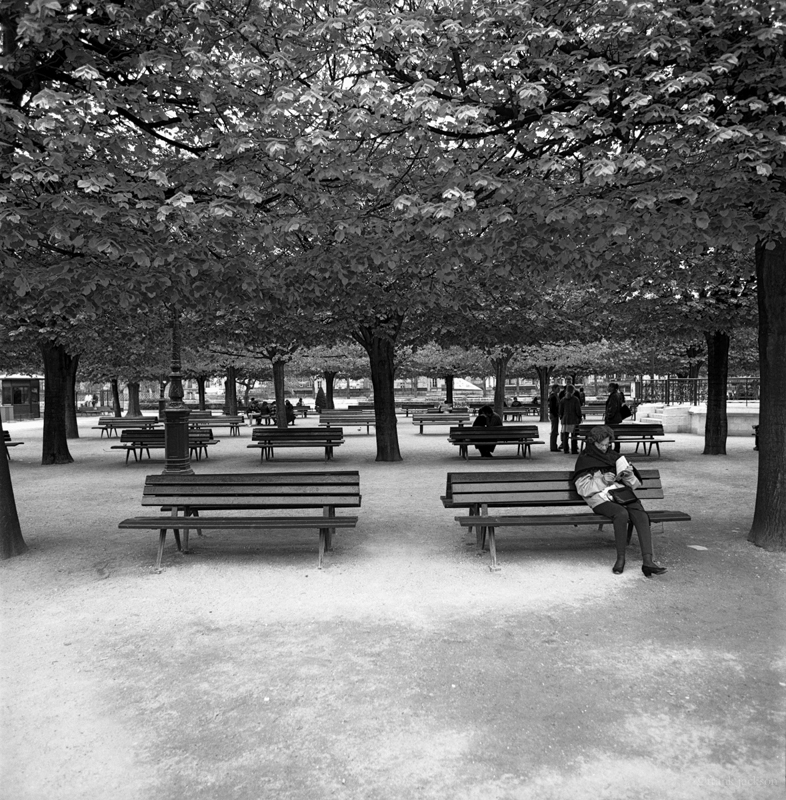
Why did you choose Street Photography and not another form of photography or stamp collecting? I will speak of photography in general. Street is just one aspect.Photography picked me and I accepted it. I didn’t fight against it. My learning experience got me to a point where I am comfortable to be able to control every detail or shoot the street with just a camera and what you choose to point it at.

Street photography is the most honest thing you can do. It’s illusion free. I live that life. It’s right there.
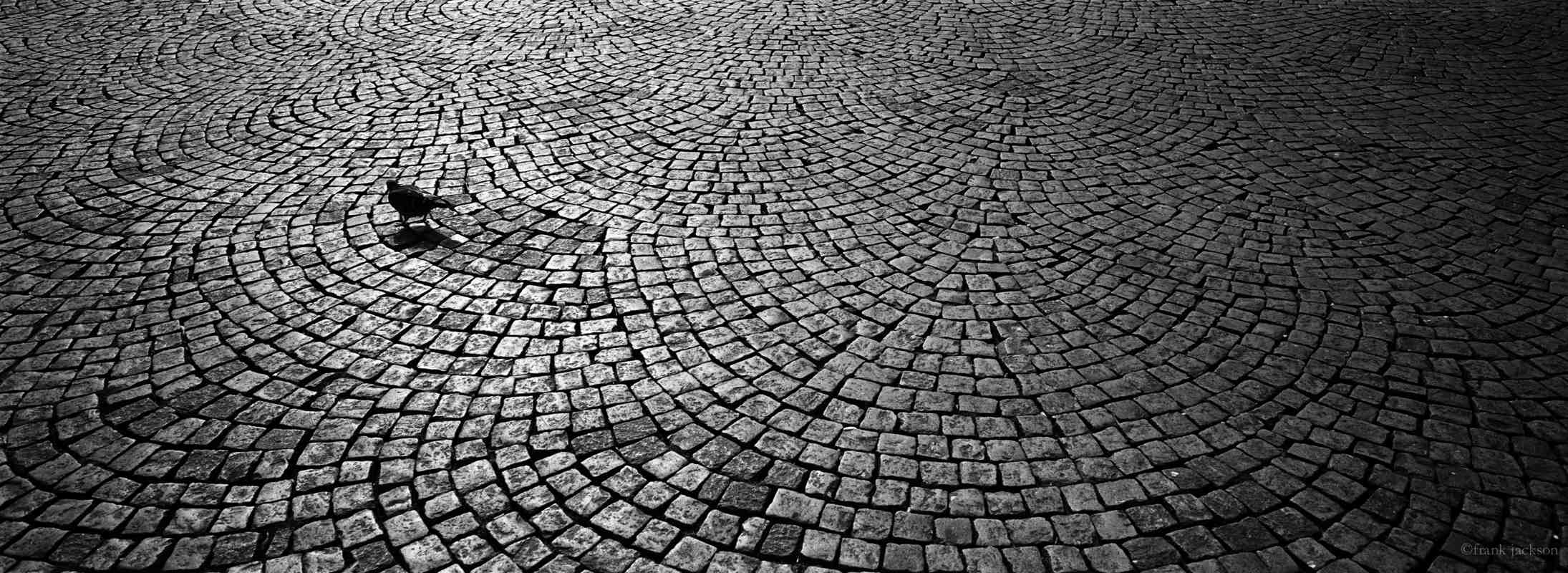
What motivates you to photograph the streets? I like watching people. People fascinate me. The wonderful exciting and boring things they do every day never ceases to amaze me. It’s about what people don’t notice.

Is Street Photography an obsession? When I was young I practiced every day- it was  love.  Now it’s like a love, I don’t have to take a picture every day. But I’m ready all the time.
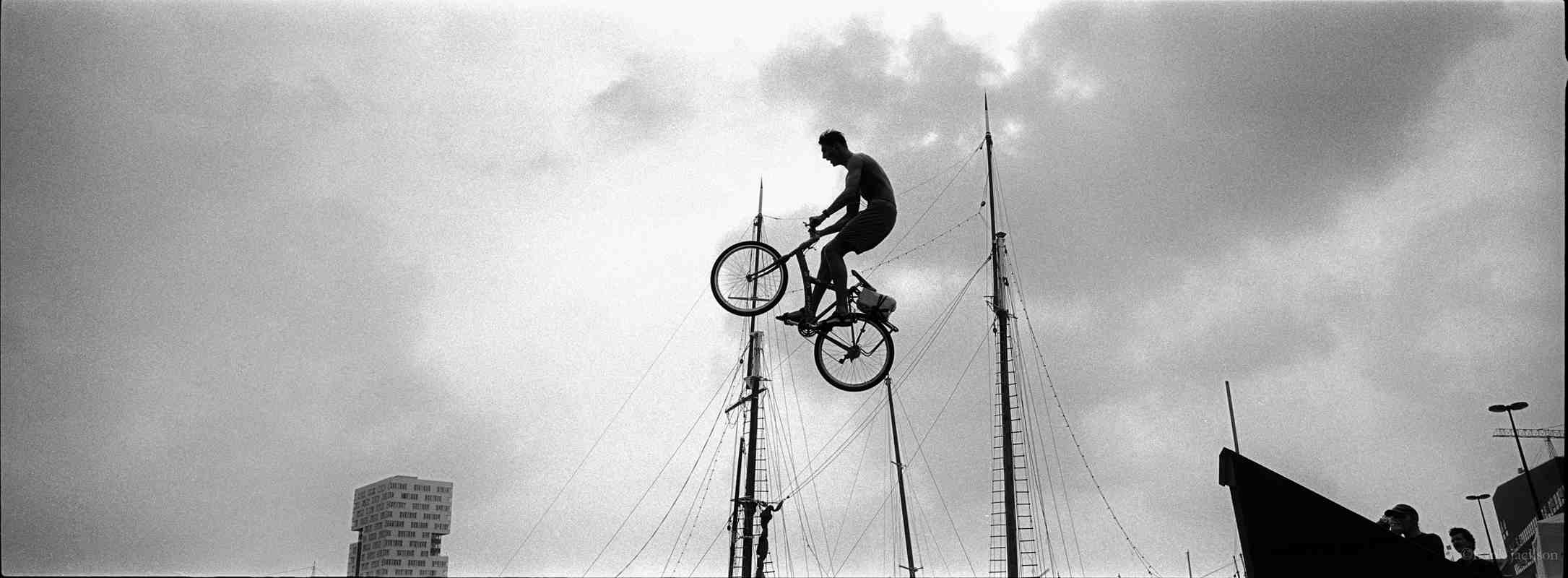
Are you a lone shooter or do you like shooting with friends or a group? If I go out with friends to shoot, then only friends who are interested in photography. It’s like hunting in a group- someone wants to get something you share the goal.  You don’t scare away the prey. No 2 people see the same. Very often you don’t even notice what the other sees.
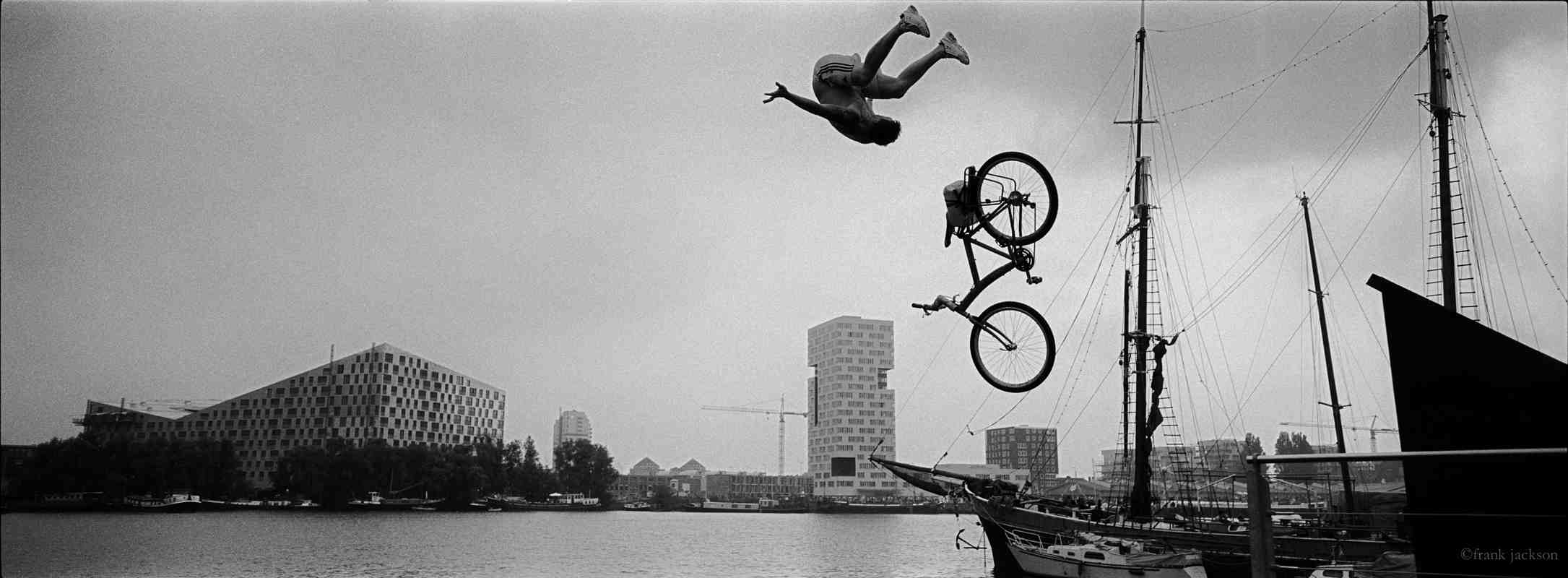
Are you an invisible or visible photographer? Don’t date anyone crazier than you are. You can apply this to shooting the streets. The clothes you wear shouldn’t stand out or be brighter. I try to look like the people I want to shoot. I am often approached by people speaking in their language because they think I am from there. You need to know where you’re not going and not where you’re going. You should listen to them when they say an area is not safe.

Favorite street photography city: New York or San Francisco in USA;  Amsterdam; Paris Barcelona; Florence; etc..

What inspires your photography? The light.

Is there a philosophy, concept or aesthetic behind your compositions that you apply to your photos? I learned photography by getting consistent exposure. Consistency is everything. I believe in not having anything in a picture that is a highlight that is so blown out that takes your eye away from it. Make sure there are small details. You  should not be able to tell a digital or film shot.

Don’t rely on post processing software where you should have done in-camera. Stop relying on luck and learn what you’re doing. All happy mistakes aren’t happy. I also don’t show everything I shoot. Any print that has HCB’s name on it is because it passed a tough editing process. Something about those images that touches you, which you cannot explain. You just like it.

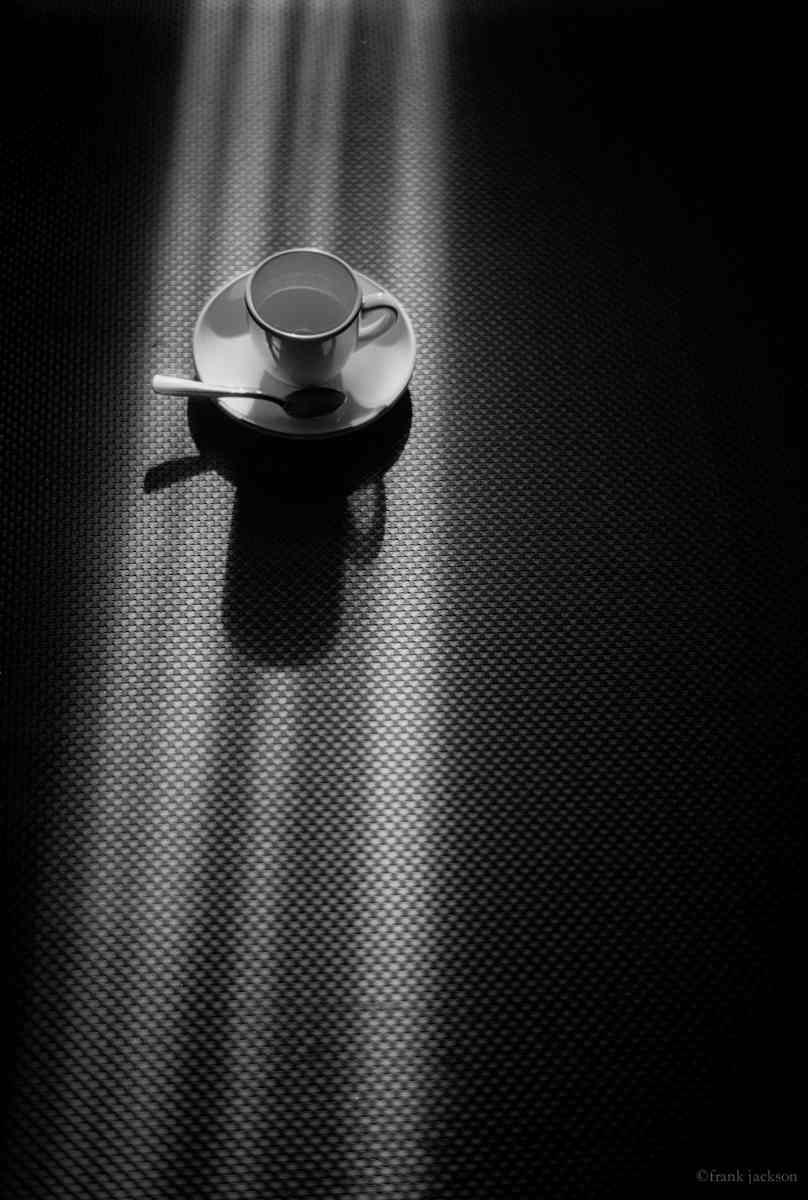
Another thing. I always allow for spontaneity. Perfection is not perfect. It doesn’t allow for spontaneity. I always travel with my espresso cup and take pictures of it everywhere. The bump of the table by a waiter pushed the cup off center and it made it a better photograph. It’s how it is in life.

Finally, I always try to center myself. I look for balance in a world that spins around me.

How do you compose a shot?  I’ll see something and if it makes me stop, I’ll pull my camera out without considering it and I’ll shoot it. It might be because I like the way the light falls. Most importantly, I decide later if I still like it. I never say I wish I took that picture.

What do you look for in a good photograph by others? It stops me. It goes wow and look at that! I don’t wonder why it’s a great shot. I don’t know who took it. It’s not about them getting lucky. It’s that they knew what they were doing. Definiton of expertise: You’re consistently lucky way too often.

How do you go about shooting a street photograph? I look for the light. It’s more about light quality on the subject than what it is about. Sometimes it’s an odd situation and it happens to be a visual definition of an odd situation. Hopefully you are fast enough to get it.

I love photography and take pictures of everything. The best pictures come from when people forget you have the camera. Stop being obnoxious, they’ll get use to you and pretty soon people go back to being themselves. HCB use to wait in some areas in a city and study how people behave. Then he works it until they behave that certain way. If people are aware of the camera the shots are not the same.

How do you choose your shots when you edit? What tells you that the shot is good? I get the same feeling when I saw it before I took it. I see it gets stronger when I convert it to B & W. I see in B & W first. I learned color in analogue, so I understand temperature, etc.. I know my color.

Photography is telling a story. People tell me I am a very good editor. I learnt to not show too much. It’s about enough and in little bits. I like smaller presentations. Not big books that are grand extravaganzas. With small books you can look at them and hold it in your hand. You look at small e-books faster and more often than large books. The plan is to get it done and make it available for people to see it.

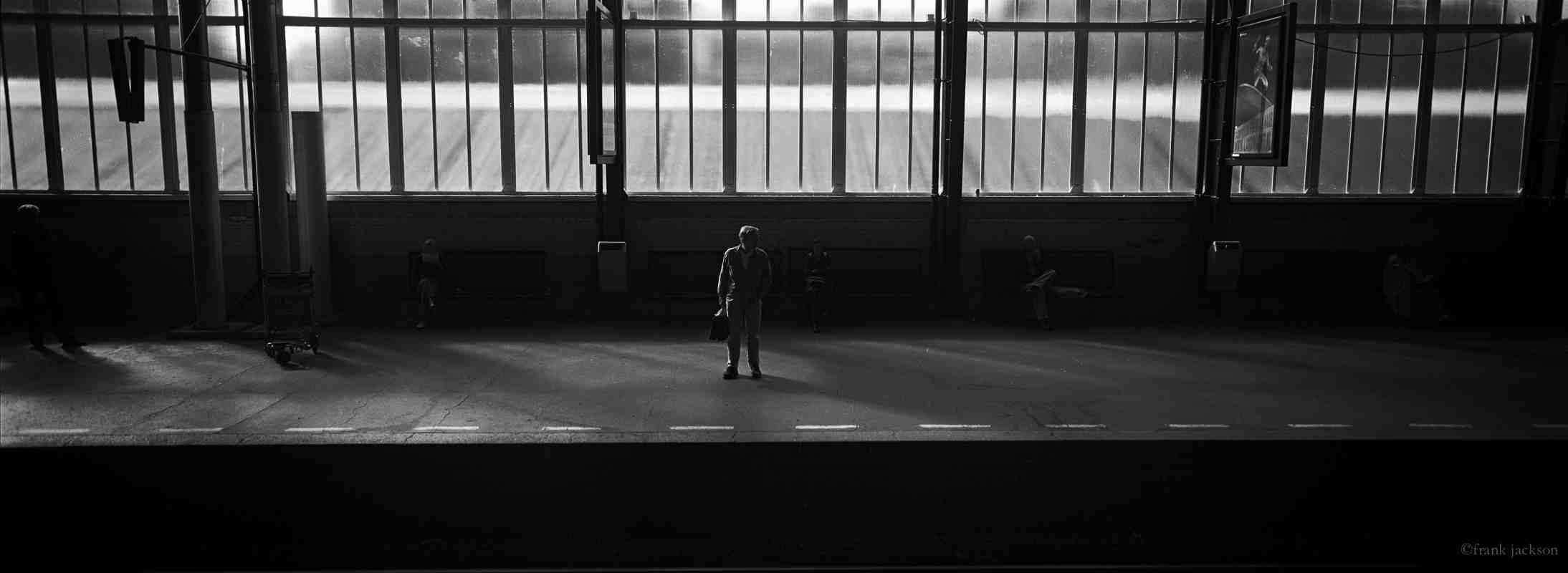
What’s the biggest mistake that all photography students make? How can they correct it? (Frank added this question.) They cut corners- they are usually happy with the pictures they have taken right away. Some don’t take the time to know their camera and they fumble their way. To correct it- take the time to shoot a lot of pictures. For example, my shot of the skateboarder: I shot the same spot and got several types of light.  You need to put in the time.
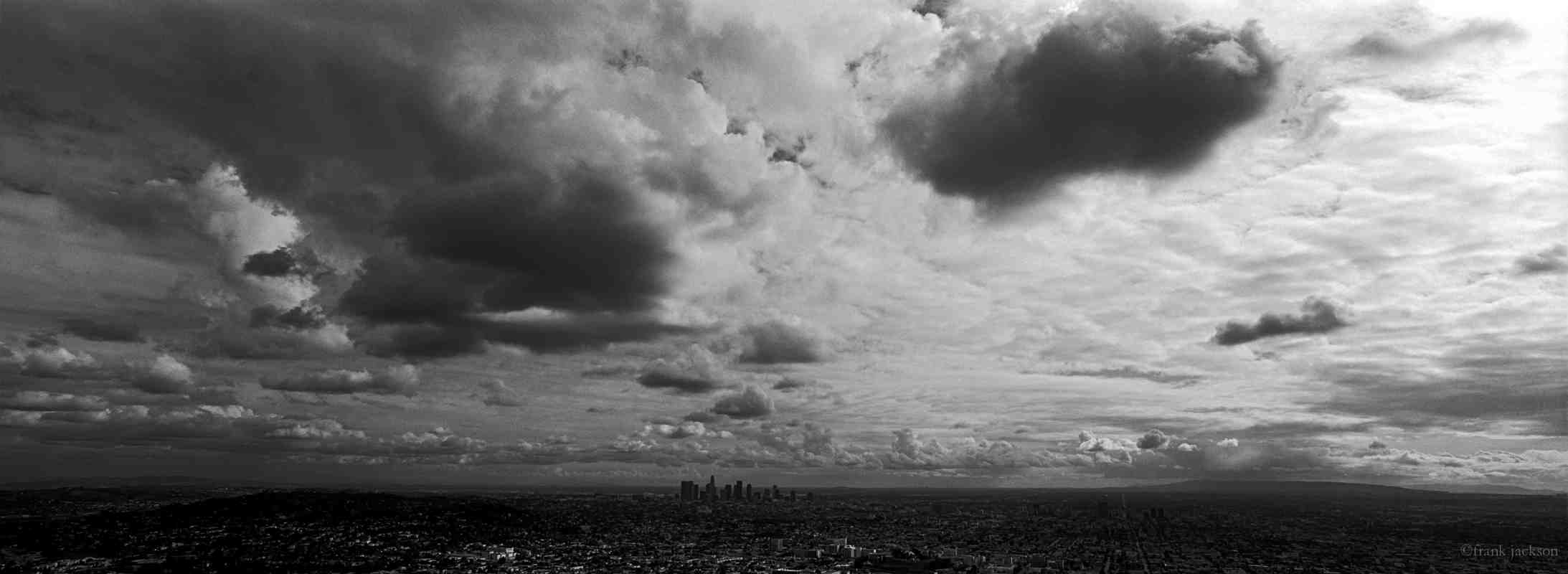
You want to take pictures that others are not taking. Think outside what others are taking. Shoot what others are not shooting. Go back in time and look at photography examples and not just from peers. Go back and find out the origins of photography. The digital world is here and not going anywhere. It’s the same argument painters had of cameras. Oscar Barnack made a camera with movie film – it was never done before. That was the beginning of the compact 35mm camera. Ever since then, cameras kept getting smaller Kodak came out with the easiest camera in the world- a camera with film already in it. After you shot your pictures, you took it back to the drugstore for processessing. That was the, Instamatic. Then came the Aps camera- with cassette loaded film. Now we have Apps for iPad and iPhones. It’s all because someone was thinking to go where others have not gone before. That’s how you have to approach your photography.

Best 3 tips for shooting the streets: Don’t take too much equipment. Don’t take every lens you own. Take one body and lens; get comfy; dress like everyone else; blend in. Go to a place and sit still and watch.

Best single advice on how to improve your work: If you’re not shooting film, you need to look at analogue print pictures at a gallery or at a photo store or wherever you can see real prints. Then try to understand how they look. Because a lot of work I see in lots of websites look too perfect but their highlights are blown out with no information.  If you expose correctly – there should be detail. God is in the details.

Best single advice on how to edit your work: Photography is about story telling. Editing is how you tell the story. If you can’t figure out what the story is in the photograph(s) then make one up. Doesn’t matter, because it’s all about a story.

I think you can start by looking at a series. You may show 10 of a series but you shot several hundred pictures to get there. The best picture wins. You place 10 images in the monitor at a time. You mark up the one that captures your eye. You build your images by placing them against each other. They either stand on their own or if they work in a series, the image should compliment the one before or the one after it. They all have to fit together. Don’t cancel out a picture until you’re finished with the series. Just in case.

On the other hand, I can’t say any photograph is a bad picture. Technically I can tear anything apart- it depends on your expertise.

Best single advice for someone who wants to get into street photography: Get a camera and go outside and find a place where things are happening all around you. Find a place where there are lots of people. Keep your eyes open. Don’t look at the back of your camera. You’ll miss the picture. And don’t delete or throw your photos away period. Look at them later.

What’s the best moment in your street photography career? Being able to carry a camera and take a picture of something.
What’s the worst moment in your street photography career? When I can’t.

What projects are you working on? I’ve been working on my book projects for 20 years. But with today’s technology, I have complete control of it for the first time. I have a large appreciation in layout design and typography; writing with fountain pens; the shape of type can affect how you see something. You can adjust ink levels on the type. The letters are not pure black and have grey percentage options. For instance, my book THE CUP: The title is 18% grey and 50% black ink. I was able to adjust the space between the letters.  I just love that I can do all this by myself and not have to rely on others. So realizing my books is what I am working on.
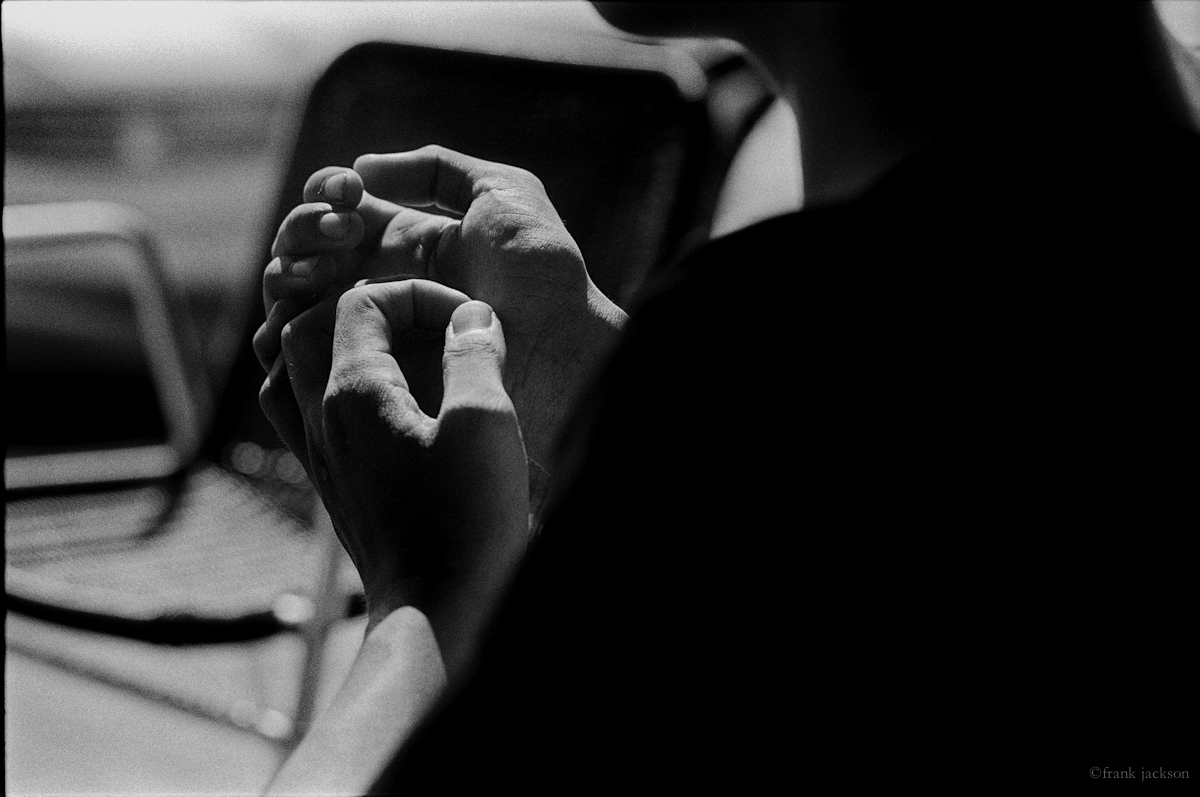
Where do you want to be in 5 years with regard to street photography? Where ever my feet are and as long as I am happy. It’s not where you are physically – it’s where you are mentally. Keep yourself balanced and no matter where you are, you will be fine.

Are there exhibitions planned in the future? Don’t talk about things you can’t make happen.
Leica Liker thanks Frank for sharing his experience and inspirational advice with us. We look forward to checking in on him in the future.

Frank has several books out. You can buy them from BLURB.com:

“The Cup”

“Waiting”

You can check out Frank’s gear in “Liker Bags’n Gear” here.

This is Frank’s self portrait.

# 13 KATE KIRKWOOD, Lake District (United Kingdom) “Rural” Street Photographer


Leica Liker is honored to have Kate Kirkwood, a Lake District (United Kingdom) ‘Rural’ Street Photographer as our #13 guest. Also Leica Liker’s second female photographer!

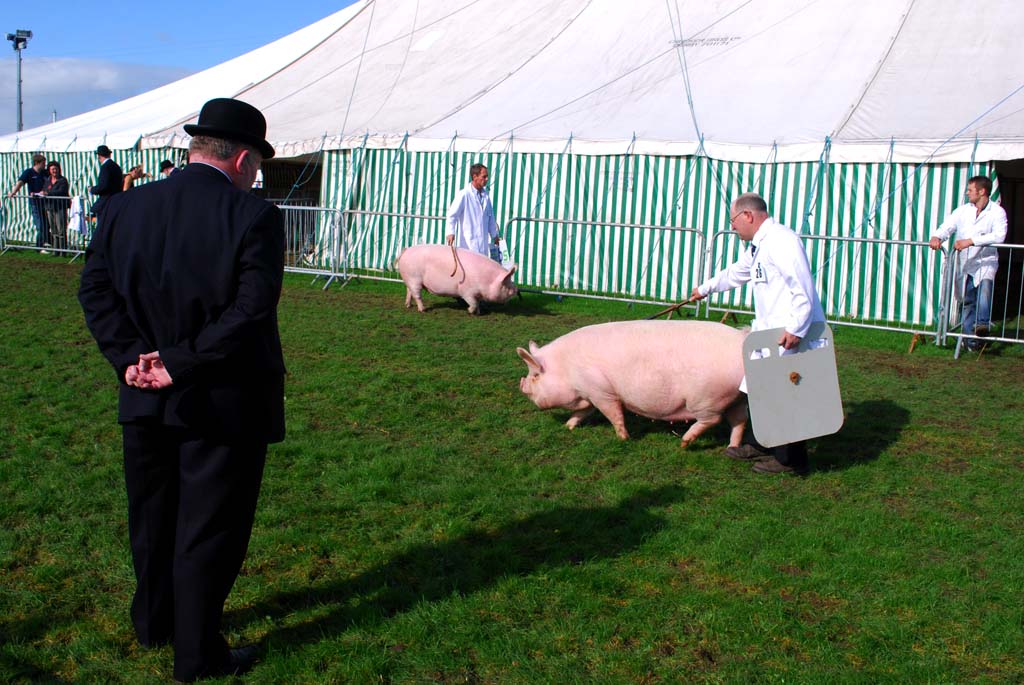
I think you will agree, when we speak of street photography, the first images or thoughts that come to mind are primarily humans interacting in city centers or city street scenes. Most likely because the majority of people live in cities. So the probability of photographs shot and published are naturally taken by city folk in their natural habitat. And if you are lucky to be living in the countryside or are a roving photographer, you might be shooting some from rural areas. Like Henri Cartier-Bresson who took photos of pigs looking out of their pigsty in Holland, a lone duck floating down a stream in the countryside of France or three geese walking towards an abandoned windmill on the plains of Tralee, Ireland. There’s a few rural life photographers out there. But these photographs are far and few between. Even the Flickr group, “Rural Street Photography”,  has just a handful of members. So when I was introduced to Kate’s work, it was like looking at gems.


Kate’s photographs gently leads us into the intimate life of northwest England, where the landscape is a national treasure. It is also the home of romantic poet William Wordsworth and children’s book writer Beatrix Potter, the creator of Peter Rabbit. Their words and drawings conjure images of bucolic England. Kate’s images aspire to the same.

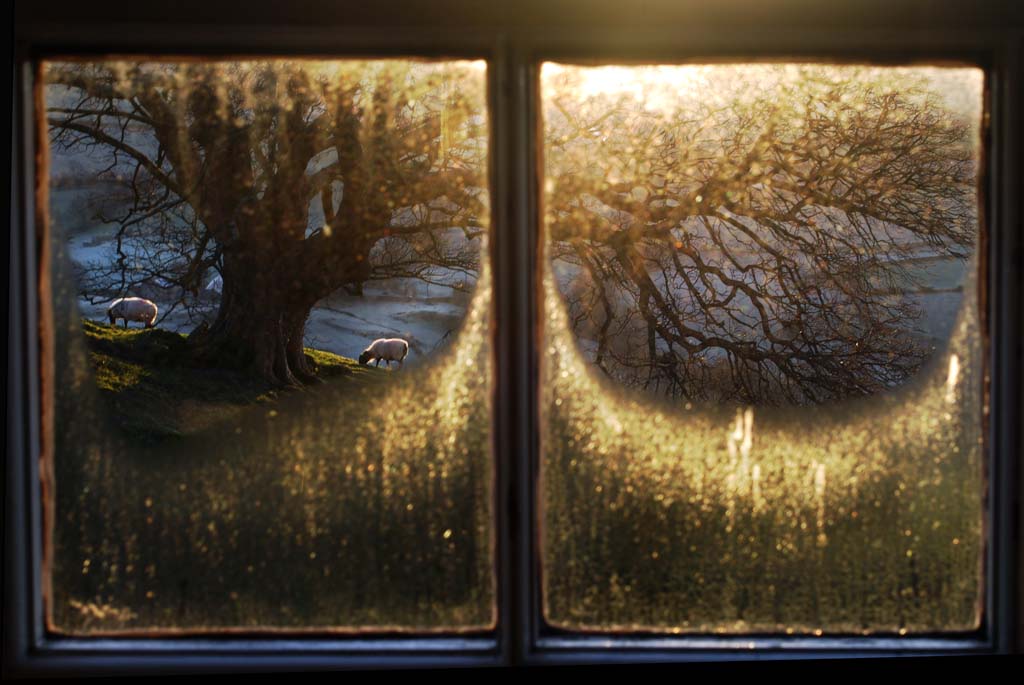
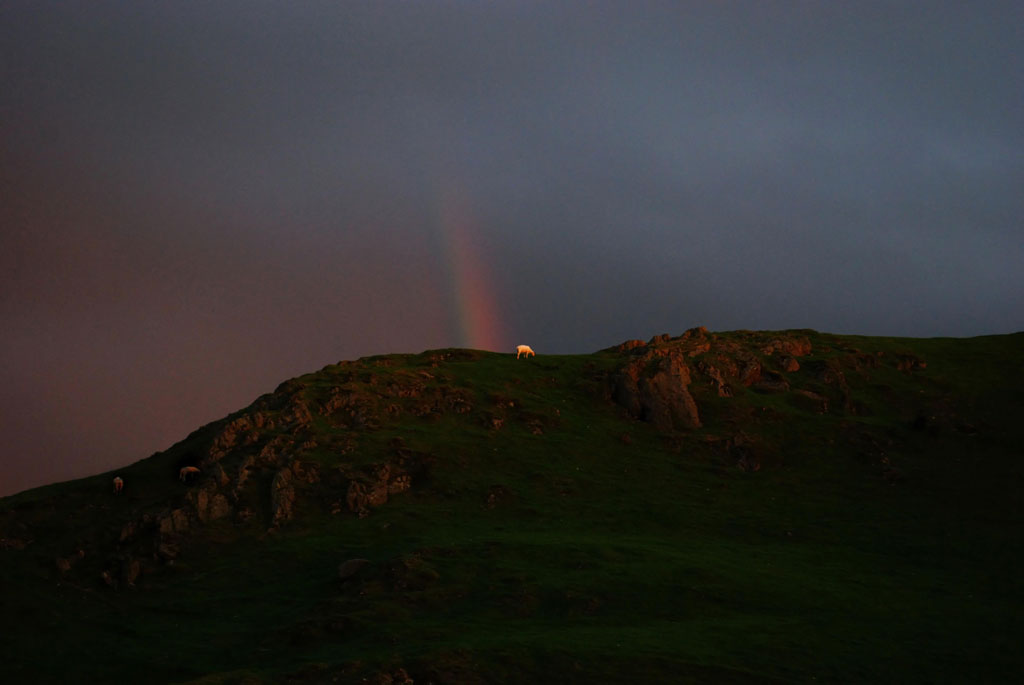
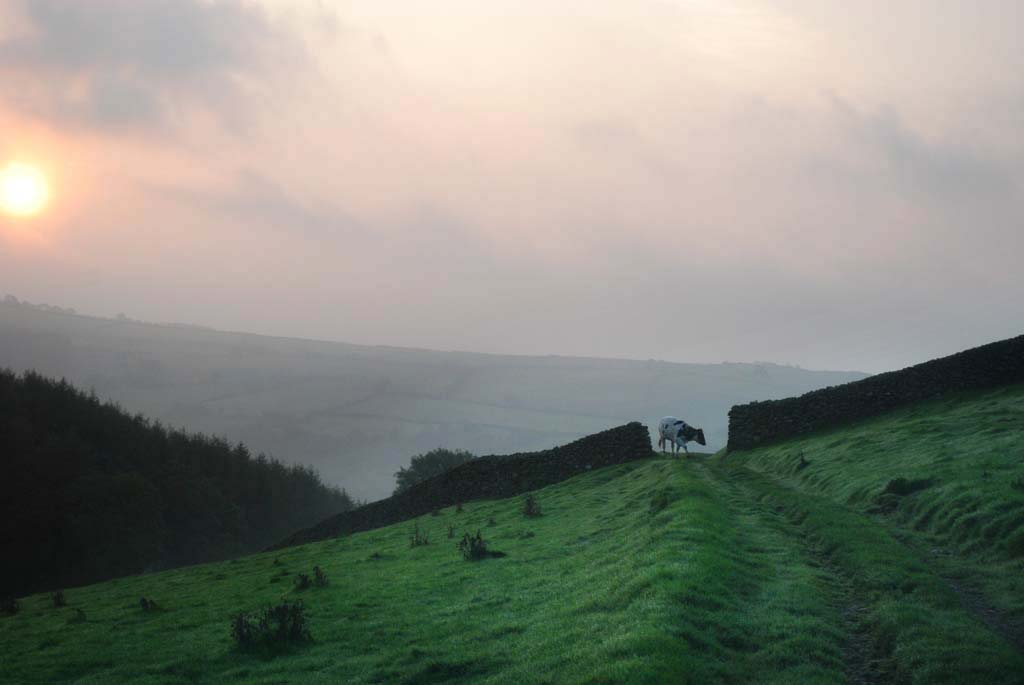
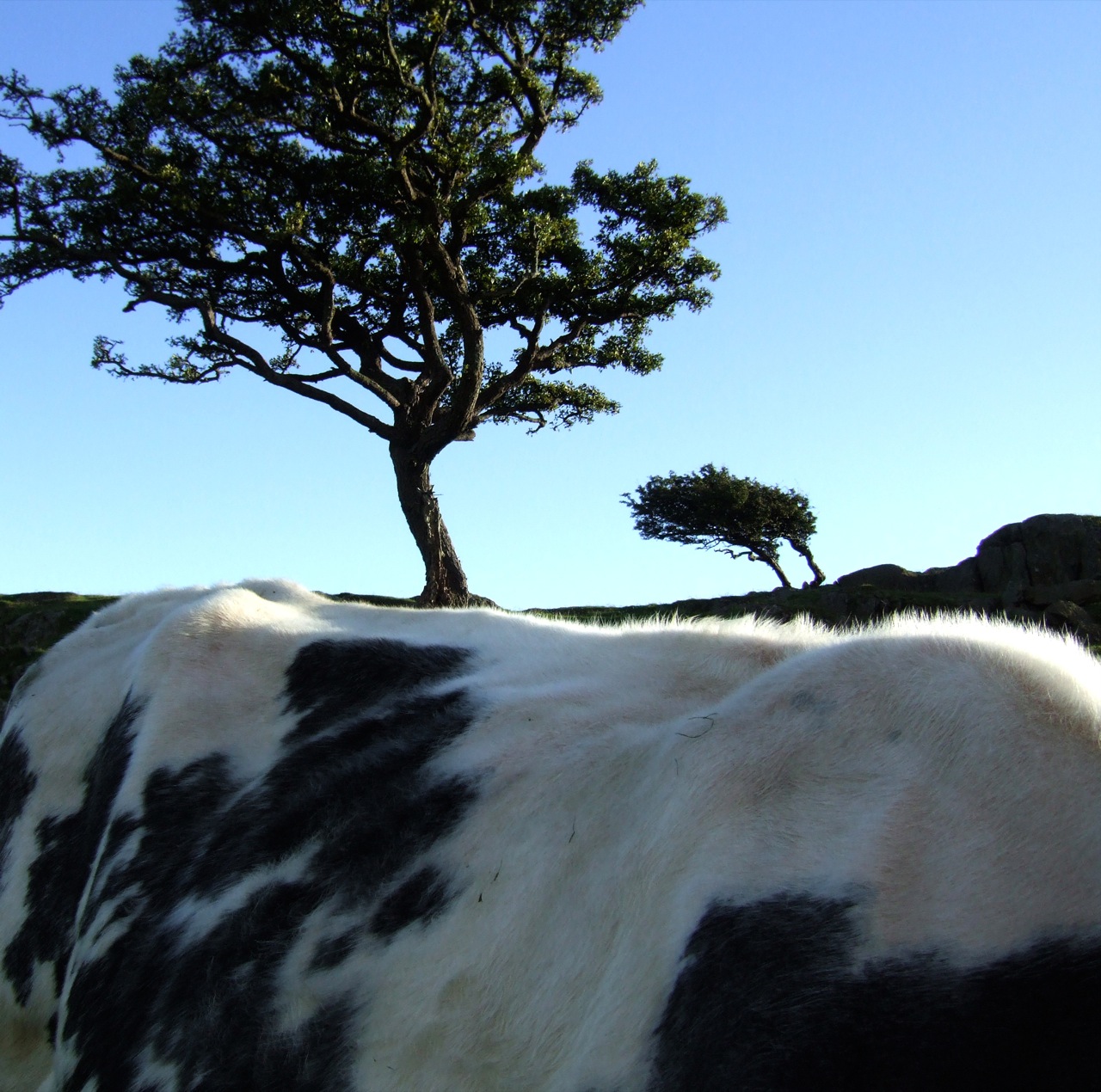
Surrounded by pure unquieted landscape and animals, where humans are far and few between, the idyllic life has definitely helped shape Kate’s vision of the world. The rich colors and raking light combined with powerful compositions showcases her emphasis of animals and humans living in harmony with nature, giving landscape photography new life. More importantly, she has been able to offer her unique definition of rural street photography.

an·thro·po·mor·phic  [an-thruh-puh-mawr-fik] adjective
Ascribing human form or attributes to a being or thing not human, especially to a deity.

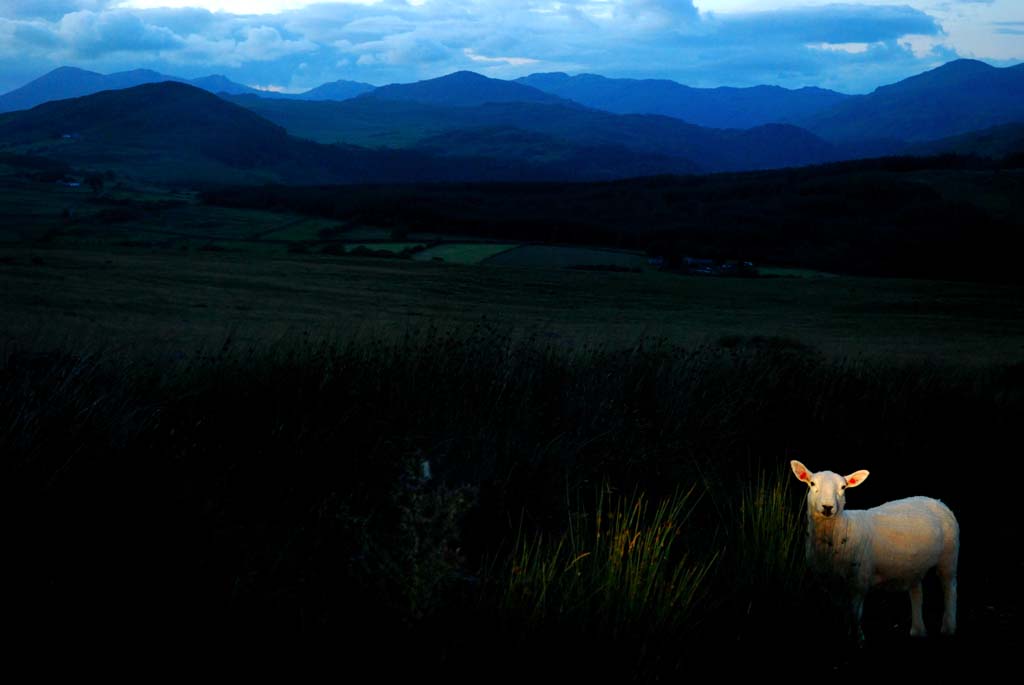
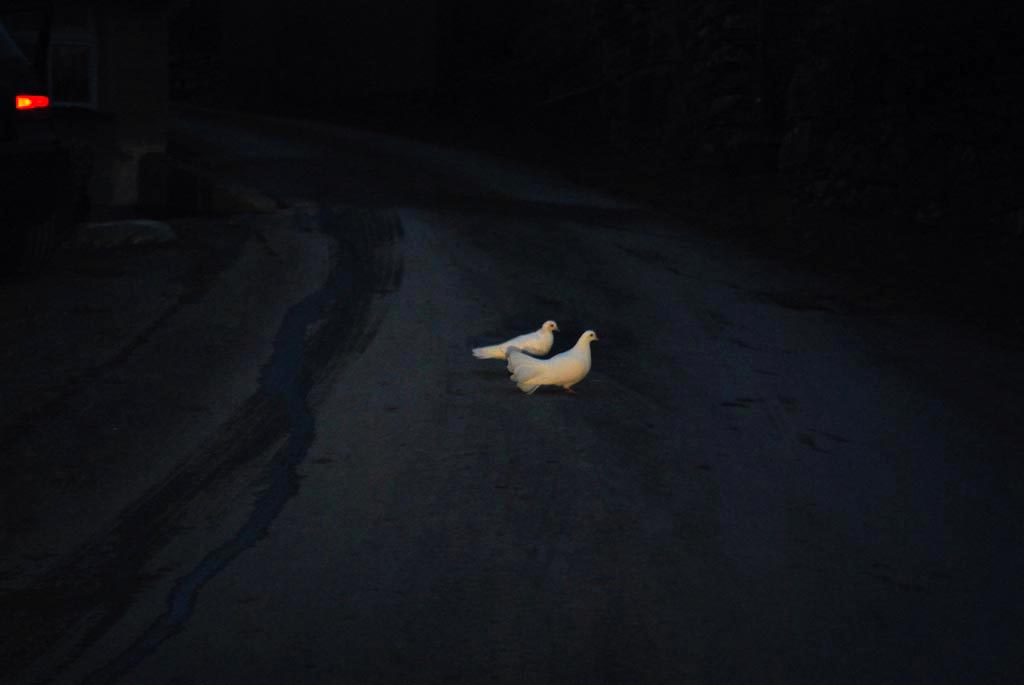
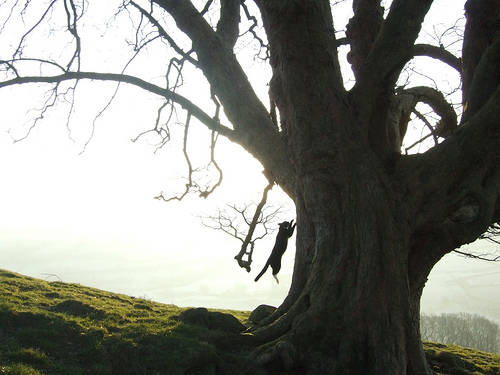
However, what really draws you into Kate’s work is the unique voice she has given to her subjects, especially animals. Kate talks about looking for the “minuscule, heightened moments in rural spaces, where seemingly little happens…” Whether it is two doves having a chat about their day as they cross the country lane, or the silent response to her car light on a lamb caught enjoying a private moment. Subtle humorous moments. Each character has its own secret life.

Through Kate’s eyes, we can see a complex story being lived. We realize that, like humans, animals have a deep intelligence. Their lives are unwittingly anthropomorphized through her lens. And our empathy comes from connecting their daily routine with ours.

When you look at Kate’s work, you can’t help but feel you’ve shared a glimpse of ‘sublime life’. As if to say, as stewards of earth, we have a responsibility to respect all living beings. Perhaps it’s because Kate understands the devastation of prejudice when she and her ex-husband published anti-apartheid literature in their past. Or maybe it’s because she lives in a remote area where she interacts with animals more than with humans. Most likely all of the above. The result is not ‘minuscule moments’ as she modestly comments, but a profound look into the richness of life at its simplest.

Here’s my interview with KATE KIRKWOOD:

Nick Name:  None
Currently living in: The Lake District, United Kingdom
Motto: Never seek what you’re expecting; set your camera and your heart to serendipity.

Street Photographer since: 2007-ish
Do you have formal photography training? No I don’t.  I run a Bed and Breakfast where I live and had some fishermen stay with me who were gear heads. It was interesting overhearing them talk about equipment and techie things for hours, despite most of it going over my head. I try to keep up with developments, but things move fast. I think I have enough basic  knowledge of how to use the camera so I can just get on with actually looking at the world. Perhaps I’m missing some tricks, but my primary pleasure is in fishing for images, trying things out, and then seeing what I’ve caught that day. I don’t mind bumbling along, learning as I go.

Profession/Job: Book production/design
Websites: www.katekirkwood.com
Organizations or Group:  None

Favorite Street Camera & Lens: Simply what I have: A Nikon D60 with a Nikkor 18-55mm lens.
Back-up Street Camera & Lens: Ha ha, my old little Fuji E900 P&S, which is held together with tape. I’m not very good on the techie side of things and find the options and discussions of such things overwhelming. I prefer a simple camera, simple settings (I use ‘Programme’ mostly), and concentrating on subjects.
Favorite photography gadget: A large farmer’s raincoat that I can zip up over my camera.
Favorite street food:  A pocket of salted licorice, if I’m lucky.

Do you listen to music while shooting?   Sometimes, but my old Shuffle went in the wash last week so that’s kiboshed that.
Favorite music when shooting and/or editing Photos: All sorts – Bach; PJ Harvey; Cinematic Orchestra; Mercedes Sosa; Cocorosie; Bill Evans; Lou Reid, Schoenberg Anouar Brahem; the Pixies…. I’m listening to Jocelyn Pooks as I write.
Favorite photo software:   I’ve only ever used Photoshop and I currently have version CS5.

3 Favorite Master Photographers:   Only three? I’d like to mention Helen Levitt, Fay Godwin and Ruth Orkin as there are few women in the usual lists and organisations. There are many whose photographs I look at again and again.  I love Robert Frank, Saul Leiter, Ernst Haas, many others … (and of course HCB goes without saying).

3 Favorite Contemporary Photographers:   Only three? How about Pentti Sammallahti, Sally Mann and Josef Koudelka.


Which 3 photographers’ prints do you own? It would be easier to answer the question ‘Which three prints would you like to own?’ I have wonderful prints from my photographer boyfriend who is one of the best in the street field. Otherwise, I have plenty of well-loved postcards of favourite images on my pinboards – does that count? And a lovely poster of Sirkka-Liisa Kontinnen’s photo ‘Girl on a Spacehopper’, and one by Lee Miller from a V&A exhibition.

Color or Black and White? Colour, though I’d like to play with monochrome.

Shoot Film or Digital? Digital. For me the absolute magic of the immediacy of digital still thrills; I remember very clearly the afternoon that someone showed me a small point-and-shoot in operation for the first time.  It was as riveting and exciting as the occasion, when, as a small child, I saw a zoetrope in action. I began trying to photograph more than just family snaps in the age of digital so it was hardly a consideration, and it’s more affordable and simpler, though I’d love to experiment with older cameras.

Is there a special time of the day you like to shoot or is any time good? I enjoy shooting in the first and the last light of day; right at the edges.

How do you define street photography?  Perhaps many genres can be “street” if you don’t determine what you’re going to shoot before hand. A few years ago I had the experience of seeing the best photographic exhibition in my life; was a huge show of Henri Cartier-Bresson’s work. I was immediately afflicted, I wanted to try this art, street photography, too.  But where I live, I see the postman once a day and sometimes I don’t see anyone else for days. When I go to the city, the best treat is to simply wander the streets. However, because I live out in a rural area, I enjoy what I have, approaching moments and unfolding spaces in rural spaces with the mindset of a street photographer, even though I don’t live in a place with people. I suppose I try for a kind of rural street photography, although I’m also trying to find fresh ways with the possibilities of landscape photography.

Street photography requires an abandoned sense of wonderment, an openness. But you can’t just click away and assume that the act in itself will muster up an image. It’s so rare; it’s that little crucial moment that I think might be symbolized by the way Cartier-Bresson used to pop up on his tippy toes as he pressed the shutter. Seldom, if ever, can I claim to have snaffled what Roland Barthe’s calls ‘punctum’. Street photography offers a kind of slow accretion of modest wisdom. The more you photograph, the keener your observation, the more you notice about the world … perhaps you grow a little wiser each time because you’re in a state of watching out.

Decades ago I was involved with an anti-apartheid publishing house my then husband ran and some of the ground-breaking young photographers of that time in Johannesburg had a dark room at the back of the place and they offered my first understanding of what documentary photography is about. I often consider and puzzle over the difference between documentary and street photography. Documentary photography has a responsibility while street photography doesn’t. Yet it tells a lot of truths. Street brings attention to our foibles and reminds us of delight. It’s lovely to go to exhibitions of street photographers you know and see the public responding to the delight in everyday life.  It’s like enhancing all the little things that happen when we don’t have our cameras.

I’m not so keen on street photography which is malicious, grossly intrusive or that pokes fun at vulnerable people. I prefer and enjoy photographs which are taken with a kind of tenderness and respect. This is a tricky differentiation; I enjoy much of Martin Parr’s work and he’s a great one at poking fun, of celebrating our ludicrious possibilities. Perhaps it should be celebratory rather than derisory, although I strongly believe we should always deride misused or misplaced power….

Some of your images remind us of the comic strips of Gary Larson, where the animals take on human or at least anthropomorphic intelligence. Is that how you see them? Perhaps. I have this one very tame hen that sits next to me when I am in the sun. So I painted her nails. One day a builder was here fixing the chimney and after a cup of tea and a chat he bounced off in his van and ten minutes later he came bouncing back and in a rather matter of fact way handed me the hen through his window. She had got into the van and settled down in the passenger seat when he wasn’t looking. I suppose she wanted a little expedition.  Yes, animals have huge intelligence but it’s of their own complex sort. I love being in a position to try and capture some of that.

Why did you choose Street Photography and not another form of photography or stamp collecting? To me Street is more an attitude than a genre, a way of encountering the world, without too many preconceptions, wherever one happens to be. It invites intuition rather than rationality; it requires an emotional response before an understanding. I also love the excitement of anticipation, seeing a moment coming.… What I do to earn a living requires planning, organization, parameters, words; wandering around with my camera is an antidote to that. We don’t have to prepare anything, and we don’t have to tell the whole story – suggestion and puzzlement are good intentions.

What motivates you to photograph the streets? The world is a different place when we’ve a camera in our hand. I love having this reason to be out in the world, in the sun and the rain, instead of hunched at my computer where I spend my working day. It’s a bit like taking a dog for a walk. I live a quiet life in the countryside and when I get out the world has a wam-bam! impact on me. I think, crikey! look at what’s going on, look at what all these people or dogs or cows or buses or road signs are up to! What havoc, what strange order, too…Photographing out there is a sort of gesture of love; kind of blowing a kiss to the world.

Is Street Photography an obsession? Perhaps, yes. I drive with my camera on my lap. I feel undressed if I chance out of the door without it, and return in panic to fetch it.

Are you a lone shooter or do you like shooting with friends or a group? I find it a meditative practice – if that doesn’t sound too pretentious – best carried out alone. I get into a ‘dwaal’, as Afrikaners say. But I take my camera where ever I go, whether I’m in company or not; I just don’t go on group shoots. I don’t go on ‘shoots’ per se, I just take my camera along in life.

Favorite street photography city: I don’t get about much, and photograph mostly in rural areas. I enjoy the quirky small towns on the coast near where I live, and I get to London when I can.

What inspires your photography? I think everything we encounter can inform our photography; current politics for example. I enjoy all sorts of art and literature and go to galleries when I can, and if I can’t, well, I count myself fortunate that I have Google Search and the Internet, which can be like making a big Christmas pudding every day; loads and loads of ingredients at our fingertips! Recently I saw Grayson Perry’s tapestries; and marveled at the small details of contemporary life he’s observed in them. I also saw Munch’s paintings and was very moved and also inspired by the daring and photographic points of view in his compositions.  Things I’ve read recently? Will Self’s  Psychogeography was big for me, as was Gaston Bachelard’s Poetics of Space. Of course I read a couple of blogs, and I try to find out what other photographers are saying, and enjoy their biographies, but mostly I soak up their images, as much as I can and as often as I can.

Is there a philosophy, concept or aesthetic behind your compositions that you apply to your photos? I suppose the isolation. In the last 4 years I’ve been mostly on my own here. Roaming around the area is very solitary. There is a state of grace to be learned from that. England is a small, crowded place but the gaps of space and silence and minimalism are there. I find it easier to compose with simpler and fewer elements.

When I am in London I like to go out early in the morning. If you go out to somewhere like Oxford street in the middle of the day and people stream by you can invariably dredge up  an image. But perhaps because I am used to country life, I find the empty streets of the early hours more manageable. Maybe it’s a bit of a cop-out, but I find myself doing it.

On the other hand, I have a problem with some landscape photography which is often quite dull or clichéd. Landscape images become beautiful or beguiling or special when something unique happens in them, when the photographer invests some emotional intelligence in her or his summoning of the landscape.  Some of Ansel Adams’ photographs manage that; a small spark, that tiny black horse, a living spirit.

Do you think your work in typography, proofreading and publishing  has an impact on how you shoot and view street photographs? Perhaps because I’m making decisions about color, line and form in the earning work. The world can be compositionally structured through a viewfinder much like the graphics on a page. I work on academic books, mostly about Africa and global issues So I often browse for images for book covers and illustrations, looking through stock photos, finding fresh elements for design.

What do you look for in a good photograph by others and by yourself? A difficult question, often asked. I know the effect of a good photograph: it’s a sort of searing prod, like with a branding iron; a prod in the head or a prod in the heart or even the funny-bone; and then the day is different after that.…

How do you go about shooting a street photograph? I do not have a plan or a way of doing things. I just make sure I have my camera and that the battery is charged, and I try to remember to check that I haven’t left exposure compensation on, which I frequently do! I simply take my camera along and don’t feel a desperation to find a shot, to make a catch. I take quite a lot of photos while en route on country roads – grinding to a halt, reversing, causing mahem, plunging into muddy fields ….

How do you go about composing a shot? If there’s time I’ll check if there’s an alternative point of view; an element that could be included, a framing shape I might not have seen at first. I once took a landscape photograph, which ended up in the Tate archives, of a farmhouse and snowy mountains in the background, but I was bothered by some pesky black silage bags and old tyres cluttering the foreground. Then, as I adjusted my position, I realized that filling half the frame with this detritus actually made a better photo. This can happen in street situations, when you take a few shots and then notice that things might line up or juxtapose or create a better shot if you just shift a little. But you need the luxury of time for that. Mostly taking a photo is a sort of blurred panic.

Best 3 tips for shooting the streets): When I got my little DSLR a friend picked it up to admire it and promptly threw the lens cap in the bin. ‘You won’t be needing that’, he said, ‘you won’t take street photographs with a lens cap on’. So perhaps that’s some good advice: throw away your lens cap and get a UV filter to protect your lens instead. Another tip I learned is to carry on shooting even after it feels like a moment is over. I’ve found that if a person who’s in my shot is curious or put out by my including them they mellow if I try find something nice or respectful to say, to explain that I thought they looked wonderful there in that light, or that I liked their nice jumper or that their kiss looked so loving.

Best single advice on how to improve your work: I don’t really like the word ‘work’; people who toil away in paddy fields or down mines or in garment factories do ‘work’. We photographers who’re not doing it to earn bread or rent, are just enjoying ourselves, making our projects, dilly-dallying, learning to look and understand a little more.

Best single advice on how to edit your work:  I spend some of my working time cutting and paring book texts down to the bones, and it’s good to try to do this with photographs. I find it a good challenge to be really strict and honest with myself when it comes to sorting through images. You know that an image is actually not very good, you just do, and it’s better not to try to persuade yourself it is and to just move on. So being ruthless helps. Distilling, from a big fat mush of stuff, just one brief succinct or poetic phrase.

Best single advice for someone who wants to get into street photography: I’m not sure what you mean by ‘get into’. There’s no right way to do it, no club, no certificates. Just walk out with a camera and see what happens.  It’s fun to share the results and learn from others on websites like Flickr, to become savvy and enter competitions and things, but it can get hectic and misleading.

What’s the best moment in your street photography career? It’s not a ‘career’, it’s a hobby really; I don’t have grand ambitions. I do take it seriously and am passionate about it, but I have no pretensions to a career. Street photography is not really about that; even master street photographers do mostly commercial work to survive. The delight in getting a satisfying photo is a very rare and ‘best’ moment, every time.

What’s the worst moment in your street photography career? I haven’t had any ‘worst’ moment I don’t think. Being shooed off down the street in a local town by two big lads who could shout ‘fuck off’ and fire half-eaten chips from their mouths simultaneously was a bit exciting.

Other than that, because I live in a small community, the people, farmers, are all generally wary about being photographed. The older folks aren’t too bothered by it but the younger ones are.

What projects are you working on? With street images things perhaps become projects as they accumulate. I am also trying to start a couple of documentary projects about things that I feel are important and if anything I’d hope to develop in that direction.

Where do you want to be in 5 years with regard to street photography? Simply to still be looking, snapping and learning for the enjoyment of it. With perhaps a little more technical savvy and perhaps a project I’m proud of…

Are there exhibitions planned in the future? A small presentation in Amsterdam, and a selection in Life Force magazine are coming up soon.

Leica Liker thanks Kate for sharing her experience and inspirational advice with us. We look forward to checking in on her in the future.

We also want to thank Richard Bram for introducing Kate to us.

You can check out Kate’s gear in “Liker Bags ‘n Gear” here.

Here is Kate’s self portrait.
# 12 MARIUSZ “MARIO” JANISZEWSKI, Warsaw Documentary and Street Photographer

Leica Liker is honored to have Mariusz Janiszewski, a Warsaw (Poland) Documentary and Street Photographer as our #12 guest.

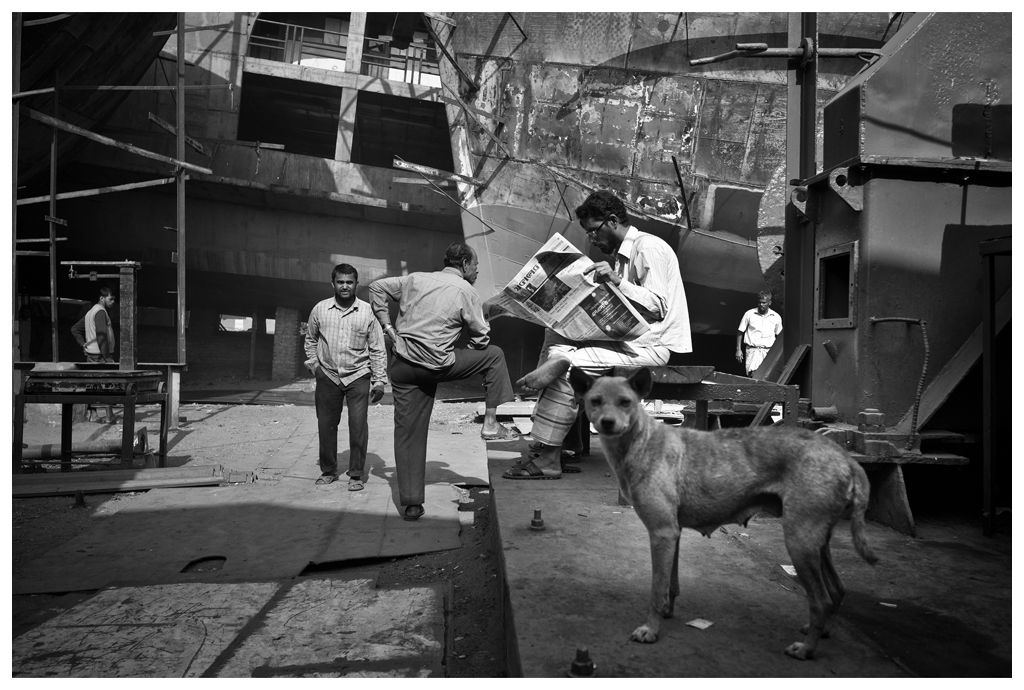
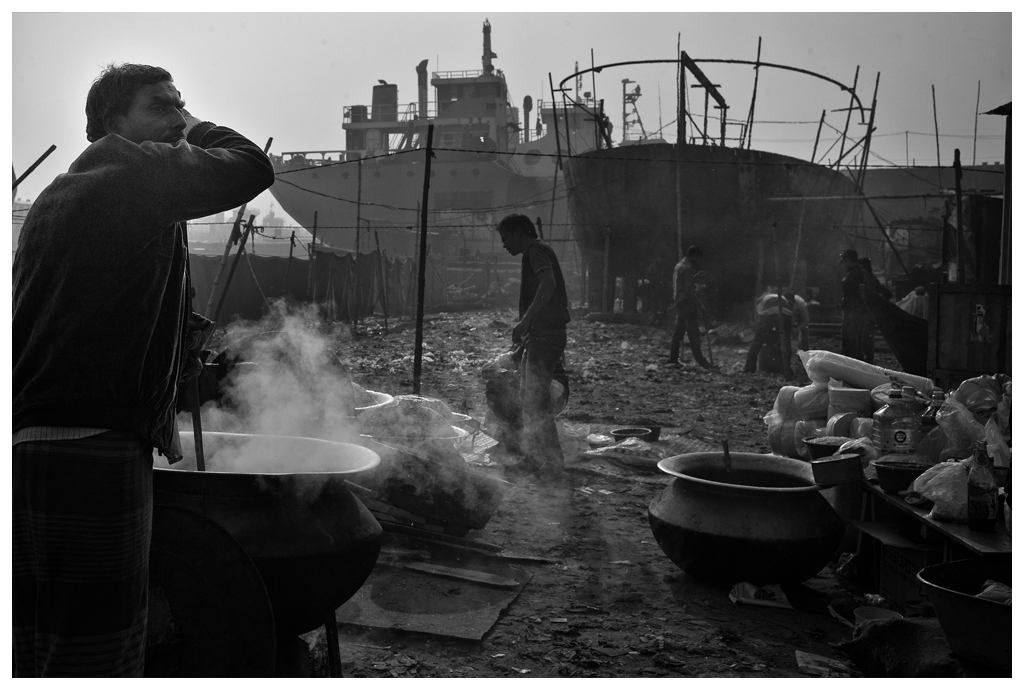
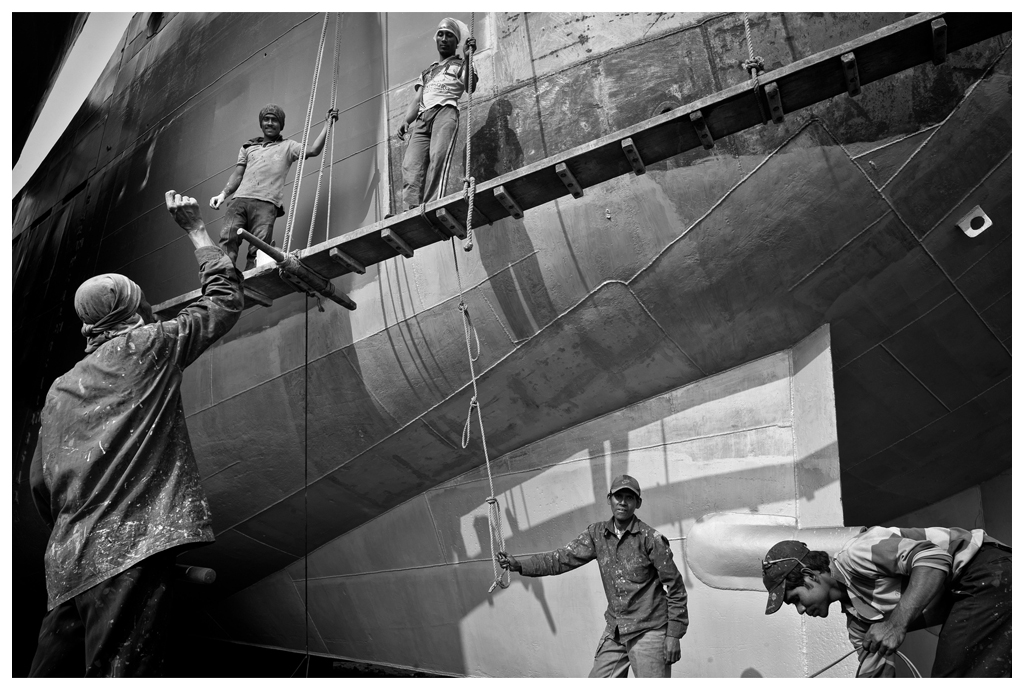
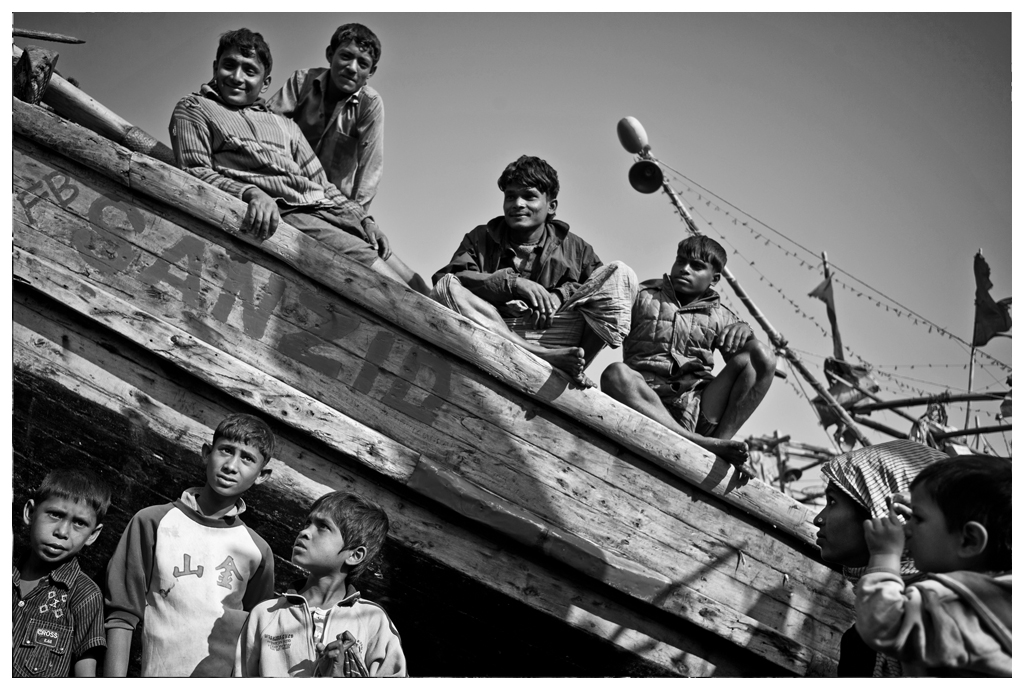
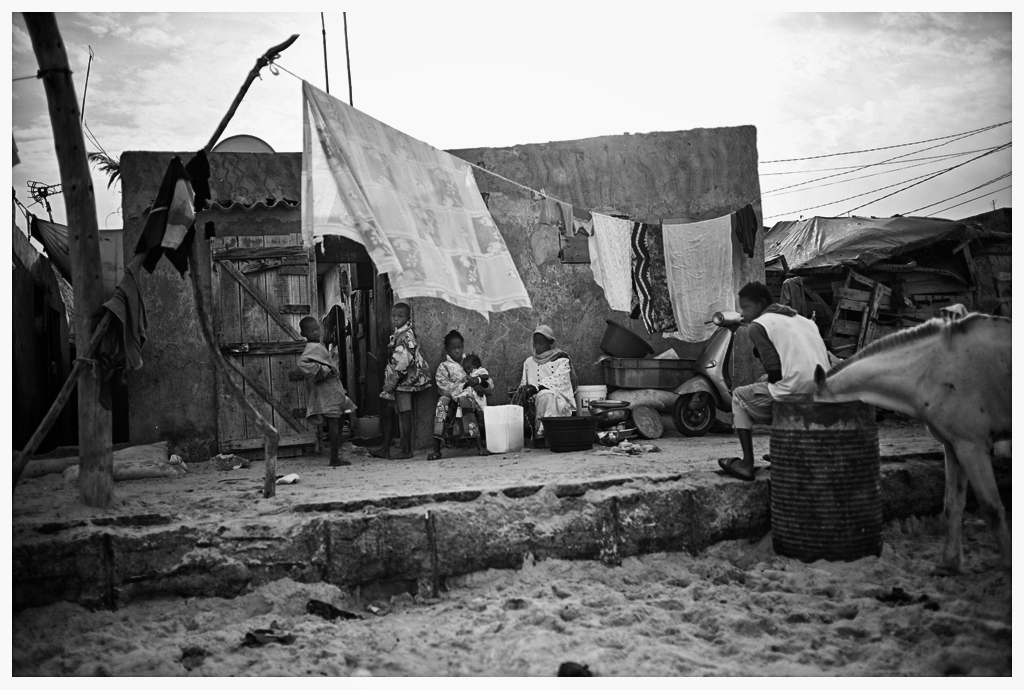
When you view many Mariusz’s (Mario) images, you can’t help but stay a while because there is so much to look at in a single image. He takes full advantage of his 28mm wide angle lens, capturing  a fairly wide view to emphasize space and ambiance. In a sense, some of his photos hark of Atget’s visual document of Paris. The one thing they have in common: people going about their lives against the large backdrop of their environment.

In Mario’s photographs, the environment plays an equal, if not crucial, role to the humans who inhabit them. As if he is saying we are shaped by where we work and live.

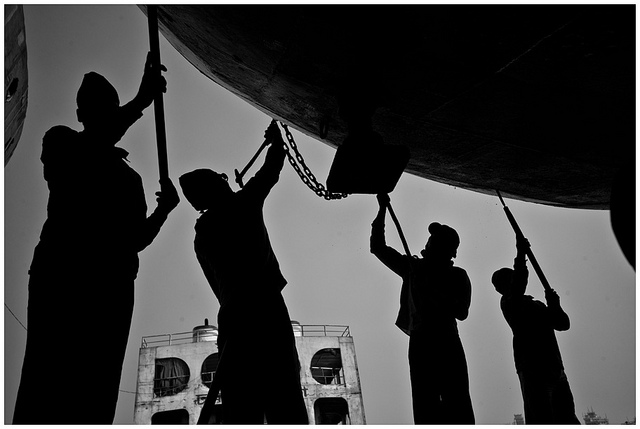
What is fascinating is his choice of environments: shipyards, brickyards, fishing villages, etc.. Places where the environment is larger than the individual. Some of them have an epic quality to them. Yet, you can feel the quiet spirit of each person within the space. In our western world of automation, we forget that there are places that still build or deconstruct amazing things by hand.

Mario rarely shoots one-off images. He spends hours, days, weeks capturing a series of photos so we can experience not fragments, but segments of life. It is the combination of the images that create an overall impression of the subject rather than the reliance of a single image to encompass the message. His slow and patient way of documenting his subjects has given us a glimpse into the resilience of the human spirit.

Here’s my interview with MARIUSZ JANISZEWSKI:

Nick Name: Mario
Currently living in: Warsaw, Poland
Motto: I don’t have one.
Documentary and Street Photographer since: More than 10 years

Profession/Job: Commercial photographer
Websites: www.mariuszjaniszewski.pl, http://www.packshotstudio.pl
Organizations or Group: None
Having grown up in your formidable years (first 16 years) under communist rule before solidarity, how has it affected your photography?
I have never thought about it. I just remember the tanks on the streets and and people being arrested for having solidarity leaflets. However, for me, it’s the distant past and I do not connect it with the present.

Did you study photography or take seminars? How did it help shape your photography? No, I am self-taught, an autodidactic. I was a graphic designer working in a company when my boss told me he needed a photo of t-shirt with a logo. So I taught myself how to make the photo and from there I photographed things for the company. Over time, became a commercial photographer and gave up the graphic design.

As for my personal photographs, 10 years ago I started to photograph typical travel and vacation images in places like Egypt, China and Mexico. But when I saw the pyramids and visited many museums, I saw that there were other things to photograph. It was a pivotal time and bit-by-bit I began to delve deeper into the world of photography. I soon found people more interesting to photograph than old buildings. I started off using a long zoom lens from a distance. Then I met an experienced photographer who convinced me to shoot closer with a wider lens.

Favorite Camera & Lens: Leica M9 + Leica Elmarit 28mm/2.8
Back-up Camera & Lens: Zeiss Ikon + Leica Summilux 35/1.4 aspherical
Favorite photography gadget: Small dilapidated camera in hand, I do not need anything more and certainly no gadget.

Why do you like to shoot with a Leica M9? Do you own any other Leica film cameras? I use to own the Leica MP but abandoned it in favor of M9.
For me it is the only digital camera with analog look i.e. with the elusive flavor of analogue film. Another reason for the M9 is, it makes me invisible. Running around at dawn with a large DSLR camera is a bit like telling everyone – “Hey look, I’m a photographer!.” I photograph dilapidated areas, places of ruin and waste. With a DSLR it looks like I want to take a picture of their decline. It’s not the case with the M9. The small angular box hiding in my hand does not stir anyone’s attention and everyone feels free to continue with their work. I’m just a harmless passer by with an antique camera from the attic. Of course I know the weaknesses of the M9: low ISO range or when I shoot too much, it hangs up and doesn’t allow you to shoot for a few seconds. However, this is where I pay the price for what I need.

When do you choose to your Zeiss Ikon or Contax 645? The Zeiss Ikon is only an accessory backup which is more used to not being used. But the Contax is another matter. I love medium format. Here is the real power of negative film. Contax (or earlier hasselblad 203F) has a different approach to photography. It’s not a spur of the moment camera. It requires time and is therefore mainly used for portraits. It is always a compliment to documenting in quantity.

Favorite street food: Hindi (Indian) food
Do you listen to music while shooting? Never
Favorite music when shooting and/or editing Photos: Hindi music when I edit.
Favorite photo software: Nik Silver Efex 2

3 Favorite Master Photographers: Josef Koudelka, Sebastião Salgado, Henri Cartier-Bresson
3 Favorite Contemporary Photographers: Alex Webb, Francesco Zizola, Mariusz Janiszewski 😉
Which 3 photographers’ prints do you own? I do not have any. At my house I only have my photographs. But I passionately collect albums of other photographers. I love to have my morning coffee in hand with an album – slowly turning over page after page, and contemplating on each image.

Color or Black and White? I shoot 80% black and white. Black and white photography is much more pronounced while color draws attention.
Shoot Film or Digital? Digital. But only because using the Leica M9 feels like using a film camera and the final image is similar to analog film.
If Film, what type of negative? Kodak Portra, Kodak Tri-x Pan, Ilford HP5 Is there a special time of the day you like to shoot or is any time good? Best time is after 6PM. I love the beautiful color of the sun and great dark shadows.

How do you define street photography? Street is pure truth, without pretense, and it expands unnecessary beautification.

Why did you choose Street or Documentary Photography and not another form of photography or stamp collecting? My photographs teeter between two styles- documentary photography and street photography with an emphasis on the first. Street photography can frame humor in life whereas documentary photography frames bare reality.

What motivates you to photograph the streets? It needs no motivation. It is pure pleasure, catching in the frame of truth is in some sense to me escape from work. I am an advertising photographer where truth recedes. I love the uncertain factor of what could happen in a particular moment.

Is Street Photography an obsession? Obsession is a strong word but it really fully reflects my approach. When I leave the house I can forget everything but never the camera and keys.

Are you a lone shooter or do you like shooting with friends or a group? A group attracts attention. We become visible from a distance. It’s best to photograph alone or in pairs, but no more. Only then do I feel I have the opportunity to make a good photo.

Are you an invisible photographer or visible? Depends on the circumstances, but I try to be invisible. Only then is there the biggest chance for a good picture. You can then assimilate into the environment and wait for the right moment. Street or documentary photography is not racing.

Favorite street or documentary photography city: Calcutta, India. It has a classic blend of modernity, swarms of people, chaos … I generally like to shoot in the crowd. And Calcutta offers the ideal place in between a crowd of people.

What inspires your photography? Great photographers inspire me. Studying their sensitivity increases my awareness of photographic opportunities. It’s not about copying their ideas in a certain direction, but to open our eyes to other ways of showing the world.

Is there a philosophy, concept or aesthetic behind your compositions that you apply to your photos? Philosophy implies too much said. It is more about the beauty I see where to others it might only be dirt and chaos.

You do product photography. How does advertising photography affect your work? How does it affect how you see light? Product and promotional photography is all about taking care of details. Every little nuance there is important. Every mistake can make the picture be perceived positively or negatively. I think this is what is most important and it is translated into my pictures. When I shoot, I try to pay attention to the little things. Of course, there is no way of correcting fact. It matters more when composing the crop, looking at nuances in the background which could be an added advantage. Mastery of light, is also important. However, I’m not a fan of flashing in documents.

Do you shoot a lot? Certainly much less than one or two years ago. I’m not a fan of shooting a series and then hoping that something will come of it. Trust your intuition and try to predict when to press the shutter button.

What do you look for in a good photograph by others? A good photo must stop you and ask you to focus on the vision. It encourages you to reflect. It induces one to think. The image must have a message. The story in the photo should stimulate the imagination.

How do you choose your shots when you edit? What tells you that the shot is good? I choose the pictures that arrest my attention for a long time. The images also should not be limited to one strong focusing point. I like to look at an image that allows my eye to jump around. Like trying new flavors.

Why do you choose to shoot in underdeveloped places? Why not in Poland? I always liked the exotic. Of course, in my country you can find lots to shoot. But Asia and Africa has always fascinated me. One can say just go out on the Indian streets and the camera will the rest. Only those who were in those places, know that’s half the knowledge of the truth. I love the contact with the locals. The cultural gate opens completely different problems, problems which you aren’t familiar with. Additionally it is also pulling away from everyday life, from domestic issues, from problems. The phone is switched off, the internet does not tempt. It’s just me and the camera.

Why do you prefer to shoot a series or photoessay? Can you give some advice on creating a series or photo essay, rather than a one-off photos? I think the photo essay is the next step on the path of photography. Anyone can shoot one photo, even if only by accident. A series requires you to study a subject. It asks you what you want to achieve. You have to report on it, to focus on the many aspects of which with a single photograph is not achievable.

Best 3 tips for shooting the streets: Patience, reflexes and smile. A positive attitude is very important. It’s how we are perceived. If we are positive, half the work is already done. Then just wait for the right time and make quick decisions to capture that one single moment.

Best single advice on how to improve your work: It’s important to be in critical terms with your own work all the time. Don’t be quick to say it’s perfect because you can’t go back.

Best single advice on how to edit your work: No matter how many times we play with the sliders for contrast, light or dark, or how many layers we work with in software programs, the final result should look natural from an invisible hand.

Best single advice for someone who wants to get into street or documentary photography: The picture has to tell the story and not be an empty cage. Without the story, then everything else goes by the wayside, such as whether the subject is valid, exposition, and other aspects. Today, unfortunately, there seems to be greater emphasis on whether the picture is sharp and hit the point than on what content it presents.

What’s the best moment in your street photography career? Bangladezi bazaar. Amidst the background of poverty 2 girls stand out, collecting waste from the ground. I approached them with my friend and we told ourselves that they can choose whatever they want, and we’ll pay for it. We ended up walking the whole bazaar and escorted them to a rickshaw carrying their nets filled with food. Watching these girls, which started from helplessness and emptiness in their eyes, through fear of an unusual situation, turning into unimaginable joy in their eyes… oh, it was an unforgettable moment.

What’s the worst moment in your street photography career? Visiting the bazaar in my town. The hostility I’ve encountered from my own people was incredible as I was the epitome of the evil photographer.
What projects are you working on? I’ve begun collecting material on the mines in the world, plus a few other ideas which are too early to tell.

here do you want to be in 5 years with regard to street photography? On top 😉 The future is too far away. I am focusing on preparing the nearest project. On the one hand it’s important that progress is constant. On the other hand I want to stil find pleasure in photography the next 5, 10 or 15 years.

Are there exhibitions planned in the future? One of the galleries in Warsaw will exhibit my photos, probably in the fall. You’ll also be able to see them somewhere else but the details are not known. And who knows about the plans for the 2013 crop. I don’t want to speak about them lest I jinx them.

Leica Liker thanks Mario for sharing his experience and inspirational advice with us. We look forward to checking in on him in the future.

You can check out Mario’s’s gear in “Liker Bags’n Gear” here.

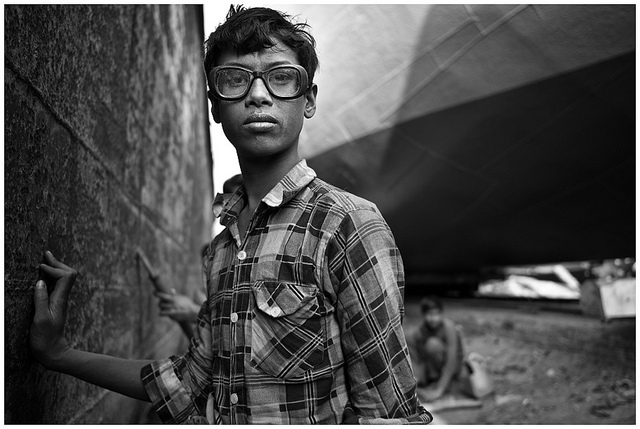
Here is Mario’s self portrait.