
# 8 MARTIN MOLINERO, Barcelona Street Photographer

Leica Liker is honored to have Martin Molinero, a Barcelona (Spain) Street Photographer as our #8 guest.
When I saw Martin’s photographs in a small Flickr group called the ‘Small Growers Street Association’, my first reaction was,’ wow, so beautiful’. I immediately had to find out more about this photographer and his work. I didn’t know I was in for a treat when I saw his other photographs. They overwhelmed me by their deep reverence for each moment of life he captured.
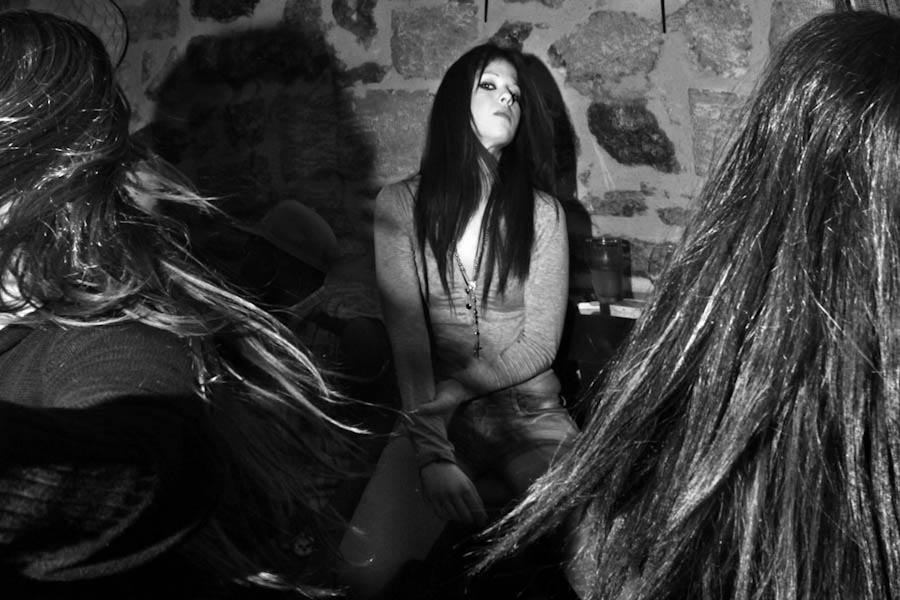
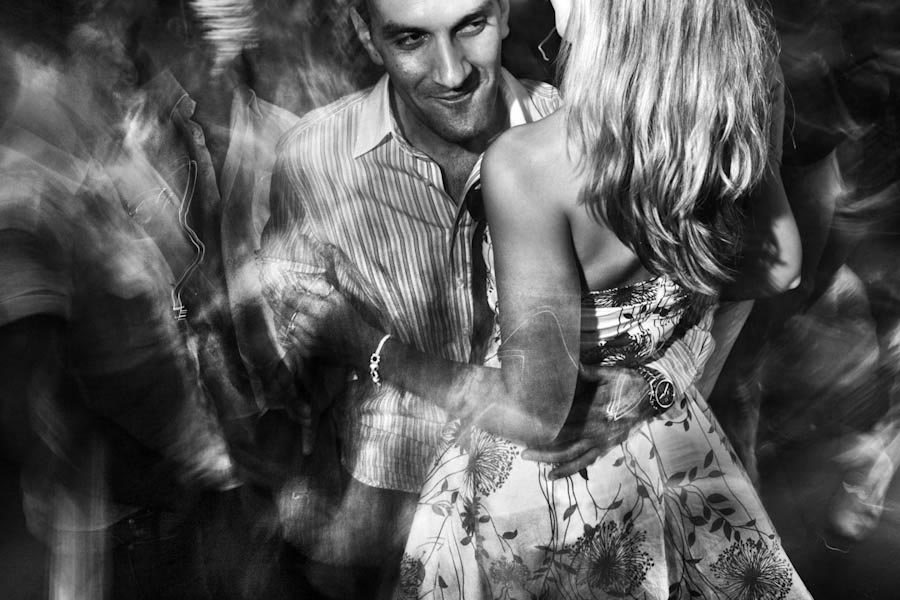
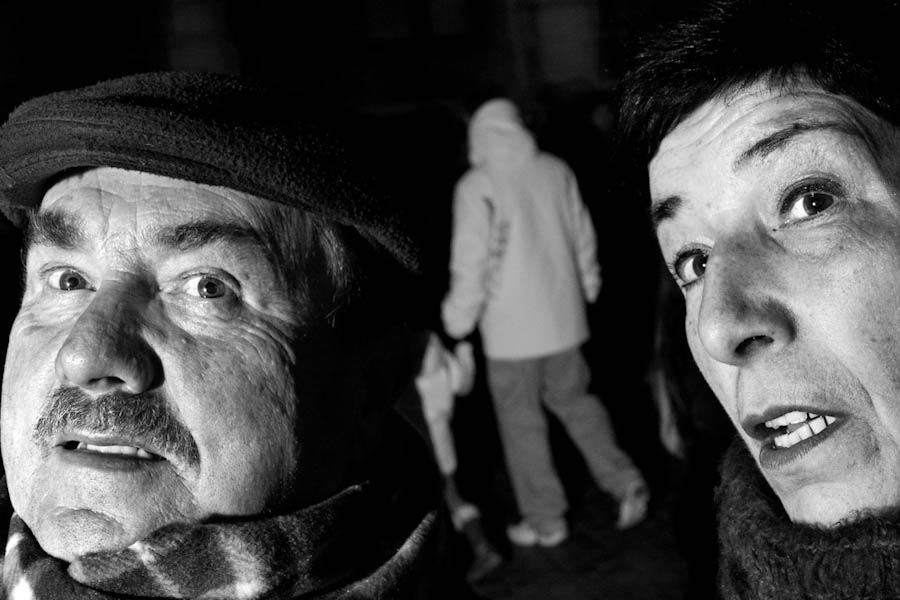
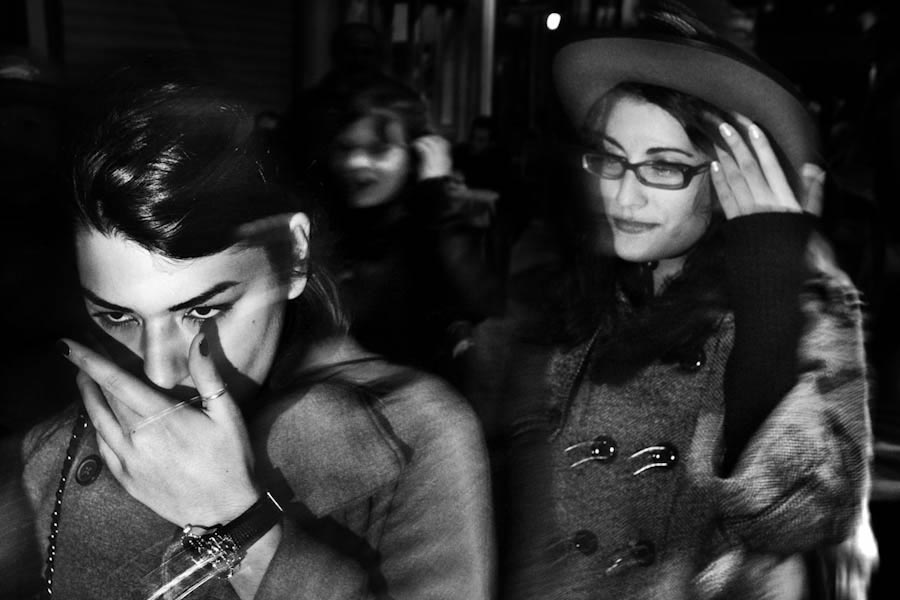
Martin’s photos are contemplative and temporal in nature. Although the street moments are fleeting, you get the sense that many have been thoughtfully and carefully captured because he’s looking for something deeper.

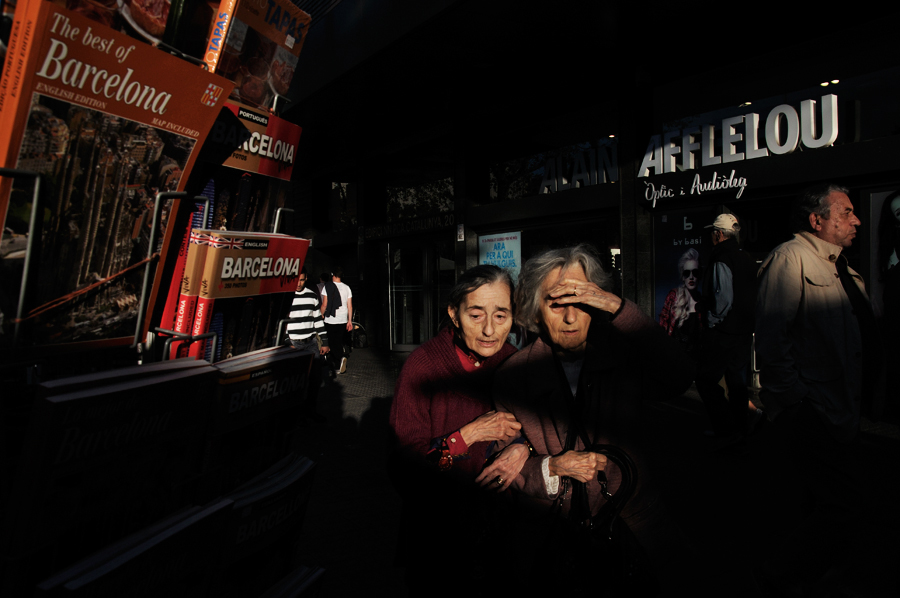
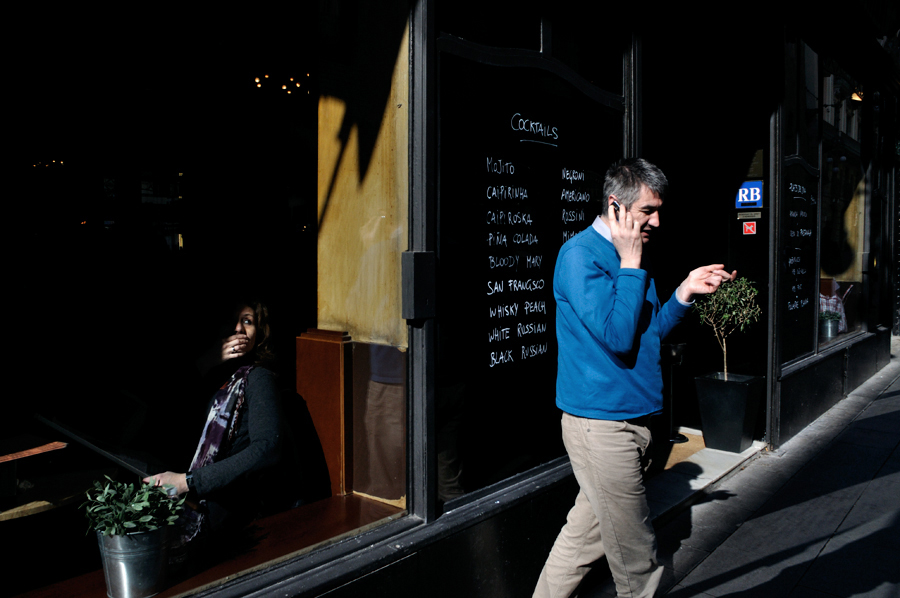
Martin talks about reading between the lines of life: A kind of subtext behind the unfolding action. The result is often small but fragile and vulnerable moments of people’s lives that somehow touch you.
Through his eyes, people’s loneliness, fragility, surprise, concerns and whatever feeling they are experiencing at the moment, no longer disappear into oblivion. Instead, they are the protagonist in a play about them. Maybe it’s because Martin has experienced the ups and downs of life himself – giving him the great advantage to recognize people’s vulnerablilities without ever thinking about it.
What I admire most of all is how Martin quietly and eloquently shares that moment with his subjects. His empathy for others comes through, making the images indelible.

Here’s my interview with MARTIN MOLINERO:
Nick Name: Enantiodromos.
Does Enantiodromos mean “many contradicting characteristics”? Yes, sort of. “Enantiodromia” (from Greek: ἐνάντιος, enantios, opposite + δρόμος, dromos, running course) is a psychological principle introduced by psychiatrist Carl Gustav Jung (who took it from Heraclitus’ philosophy). It’s a sort of compensation between the conscious life and the unconscious life. It’s like an homeostasis: any excess is compensated by the system in order to restore balance. I like to think that, at a certain point, chaos becomes order and vice versa! In some way, when you want too much of something, you will get the contrary. I like this concept for photography.
Currently living in: A small town outside of Barcelona, Spain.
Motto: I don¹t have one.
Street Photographer since: Around 1996. Back then I began shooting analog in Buenos Aires, Argentina, not knowing that what I was doing had indeed a name. I just walked a lot with my old rusty Canon AE-1 and a 50mm lens, taking snapshots and enjoying the darkroom process.
Then came the Argentine economic crisis (1999-2002), which wrecked the whole thing. In 2003 I moved to Barcelona, Spain. I abandoned my photographic gear (among other things) in Buenos Aires, where I never returned, and started a new Life in Spain. I always longed to return to photography, but was always too busy struggling to survive to have any time to spare for my economically unproductive photography walks.
In 2010 my wife gave me a Nikon D90 as birthday gift and since then I’ve been back in the game.

Profession/Job: Book editor for publishing company.
Websites: www.enantiodromia.es
Organizations or Group: Calle 35 and Street Photographers

Favorite Street Camera & Lens: Not favorite, it’s just what I have. A Nikon D90; a Tokina AT-X 17 mm 3.5 and a Nikon 18-105 mm lenses.
Back-up Street Camera & Lens: I don’t have one.
Favorite photography gadget: I don’t have one.
Favorite street food: It’s better to be light. I think there is an English expression: “being light on your feet”. Occasionally I stop to rest a little and take a coffee.

Do you listen to music while shooting? No, it would distract me. Once, I almost got hit by a car while crossing the street to take a picture. I think that listening to music would make my “sightwalks” more dangerous.
Favorite music when shooting and/or editing Photos: Not anymore now. Back in the 1990’s I listened mostly to jazz (Thelonious Monk, Miles Davis, Bill Evans, Keith Jarrett, etc.) and Argentinian musician Luis Alberto Spinetta (sadly died a few months ago) while working in my darkroom.
Favorite photo software: Not my favorite. I currently use Photoshop but I would like to try out Lightroom, which appears to be more useful.
3 Favorite Master Photographers: I could say Garry Winogrand, Joel Meyerowitz and Robert Frank; But why not Lee Friedlander, Henri Cartier-Bresson and Elliott Erwitt or say, Saul Leiter, William Eggleston and Tony Ray-Jones?
3 Favorite Contemporary Photographers: It’s the same thing. Maybe I could say Alex Webb, Trent Parke and Jeff Jacobson, or Georgui Pinkhassov, Cristóbal Hara and Richard Kalvar, or the guys of In-Public. I think I can learn different things from all of them.
Which 3 photographers’ prints do you own? It’s a shame, but none.

Color or Black and White? Lately, I’ve been shooting color. When I use to shoot film I only shot in black and white, because printing color is very tricky, especially controlling temperatures. I wanted to develop all my work then.
When I started to shoot digital I still “saw” everything in black and white. But alas, the sensor gave me color, so I became used to seeing in that way.

Shoot Film or Digital ? Now I shoot digital. Film is very expensive and time consuming. I just can’t afford it. I would love to shoot film again, it’s a completely different experience. Perhaps in the future.
What are the main differences between film and digital? I would prefer to shoot film. I like the tangible, physical aspect of film. But it’s all about time and money.
If Film, what type of negative? Back in the 1990’s I used Ilford HP5 and FP4.
Is there a special time of the day you like to shoot or is any time good? I prefer early in the morning and late in the afternoon. But I don’t have the luxury to determine in advancewhen I will have some spare time to shoot. So, I take what ever opportunity comes my way regardless of the weather.

How do you define street photography? I think it’s best defined by Nick Turpin – “… ‘Street Photography’ is just ‘Photography’ in its simplest form…” For a full explanation check it out here.
Why did you choose Street Photography and not another form of photography or stamp collecting? I think it wasn’t a choice. I was introduced to photography by my uncle when I was 17 years old. He taught me the technical principles and sparkled my interest in photography as a medium for both self expression and self-knowledge. On the other hand, I always loved to walk, and in that time I took long walks in Buenos Aires, I mean really long, like 20 or 30 kilometers. So the combination of photography and walking was very natural.

What motivates you to photograph the streets? Because of my editorial work, I spend many hours sitting at my desk, reading. I guess at some level, walking and watching is a good complement or compensation to sitting and reading. Besides, I live in a very small town, almost a hamlet about 100 km outside of Barcelona. The Llobregat River flows just below my window. There are ducks and swallows, poplars and oaks…To drive occasionally to Barcelona’s chaos is a perfect way to break the “routine” of what I see every day, and to confirm and renew the enjoyment of living in such a beautiful place.
Is Street Photography an obsession? I prefer it not be but maybe yes.
Are you a lone shooter or do you like shooting with friends or a group? I shoot alone.
Are you an invisible photographer or visible? I would like to be invisible.
Favorite street photography city: I love Barcelona. I shot for three days in London and it was great. I think New York must be incredible. I wish I could visit there someday.

What inspires your photography? I don’t know. Probably the great photographers I admire inspire me in a deep way. In fact, everything we read, enjoy, fear and love somehow, at some level, influence the way we see. In that respect, Jung, Rilke, Rimbaud, Proust, Kafka, Tarkovski, Faulkner, Goya, Coltrane, Van Gogh, Brancusi, Palestrina, Jaco Pastorius, Paul Celan, Georges Perec, Juan José Saer and, say, Julio Cortázar wouldn’t be more significant than bicycling, chocolate, football (soccer), olive oil or “yerba mate” (traditional South American infusion), in affecting the way I shoot.
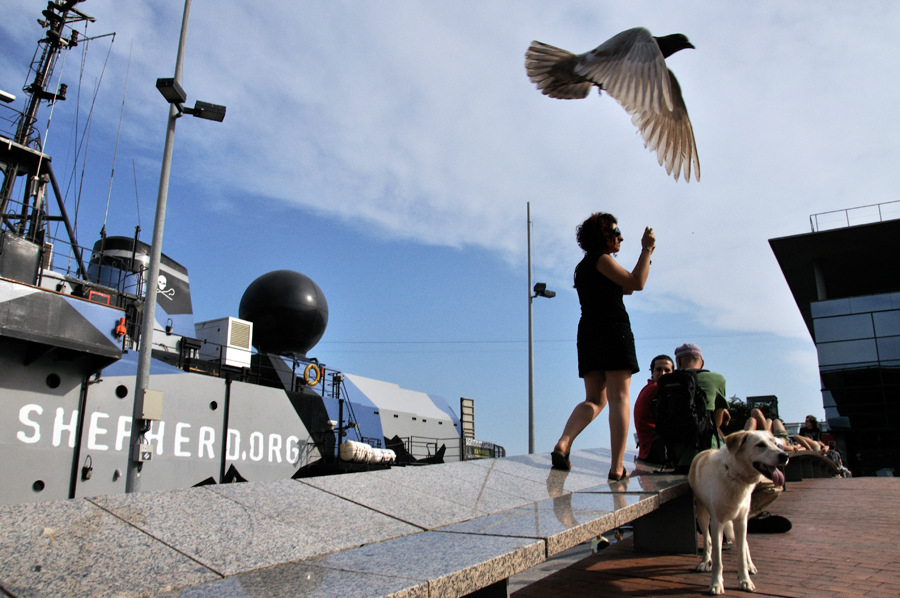
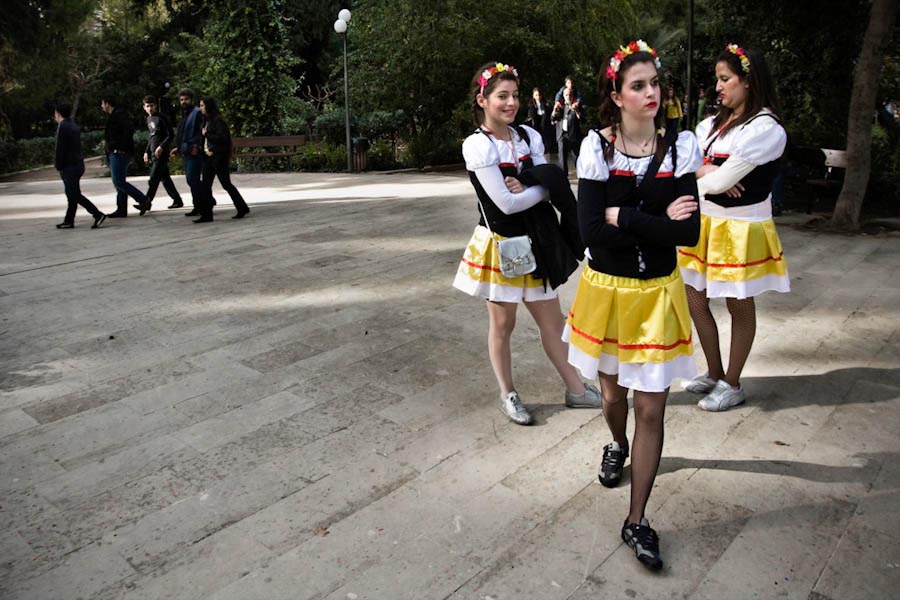
Is there a philosophy, concept or aesthetic behind your compositions that you apply to your photos? Not consciously. I think there is no concept or aesthetic, with regard to the form. But I do believe there is something when you ask me about content. For instance, I like to find interactions between people, and between people and things. Photography gives me the chance to read these interactions in a certain contemplative manner. In some way I try to understand what the hell I’m doing a hundred of kilometres away from my home, holding a camera and walking aimlessly. And the way to find out is through the pictures, with hindsight of course.

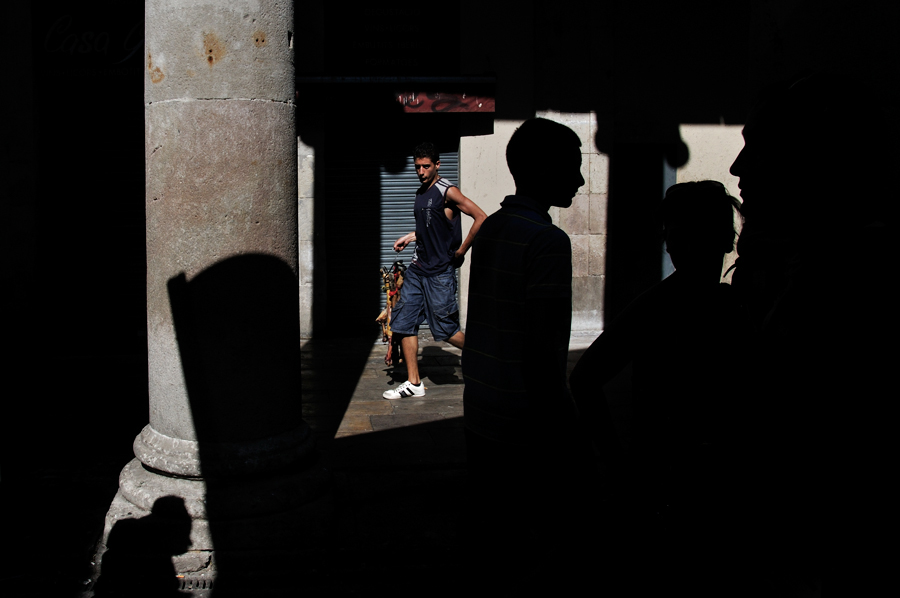
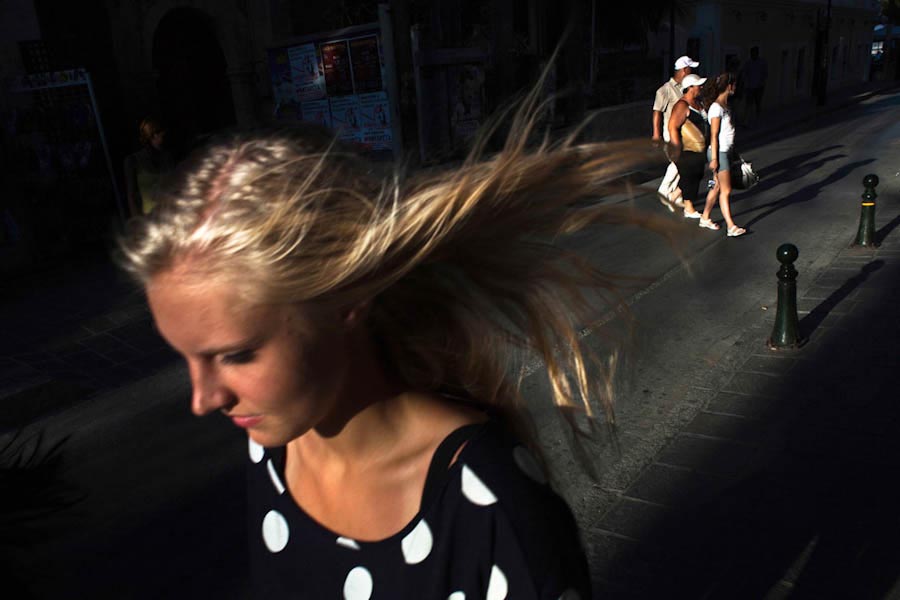
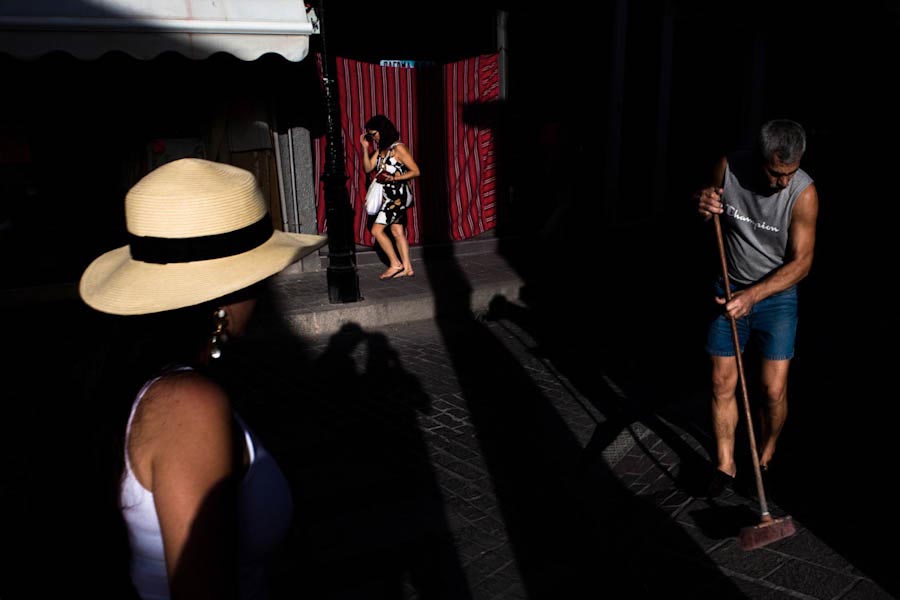
What kind of style would you describe your photos? The light in Barcelona is strong. Combine it with shooting digital and the result is strong shadows. But when I shot film I tended to go out specifically when it was overcast because there is no shadow. So it forced me to think about composition and forms.

How do you compose a shot? Most of the time I don’t have time to compose. It’s all about reflex. Things are happening so fast it’s difficult to compose. But when editing, I choose the takes that works compositionally in some way. If it’s possible, sometimes I shoot many shots of the same thing. So it’s not a conscious decision to shoot it one way or another. It’s more a reaction.

What do you look for in a good photograph? I don’t look for anything in particular, although I’m usually drawn by good light. Chance is crucial in street photography and you can’t pursue chance. In some way, street photography is about failure. It’s about how you endure constant failure. How can you spend so much time walking aimlessly with a camera? How can you go out to shoot knowing that in all probability you will be back home, after a whole day walking and shooting, with nothing, not a single photo?

I don’t look for anything in particular because, when chance and surprise is part of the equation, then as a consequence, you don’t have any control. If you look for something you will probably not find it and you will miss what appears, what reveals itself. Or, even worse, if you look for something you will find it, and it will be only what you already had in your mind. One thing that I love about this kind of photography is, that when it works (and it almost never works), you get much more than what you put in.
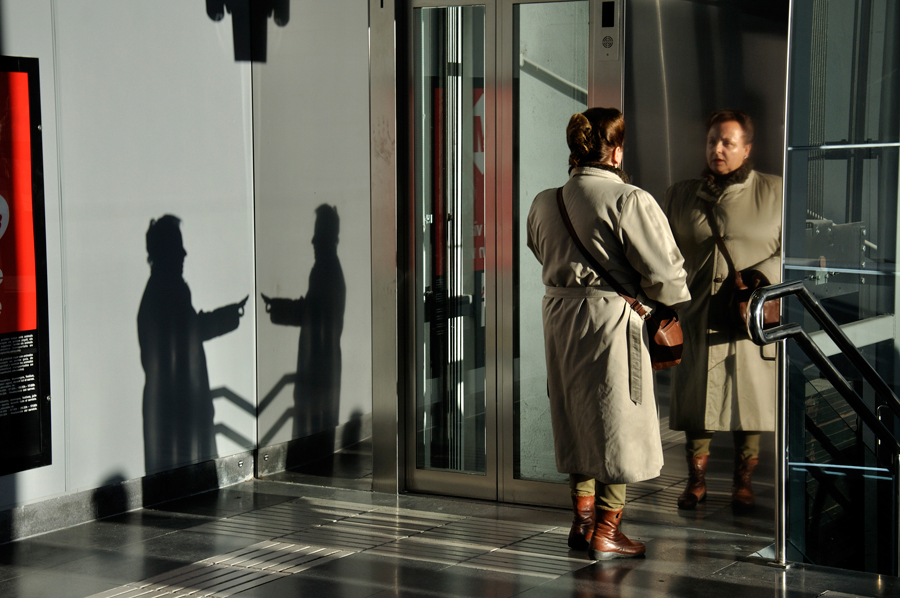
“It is the photo that takes you; one must not take photos”, said Cartier-Bresson.
“I don’t press the shutter. The image does”, said Arbus.
“Good photographs get made despite, not because”, said Garry Winogrand.
Asked how he chose the things he photographed, Paul Strand replied: “I don’t. They choose me”. I think that is a clever approach to photography. So, what do I look for in a good photograph? I don’t know until it appears. In Barthes’ words: until it, “pricks” me.
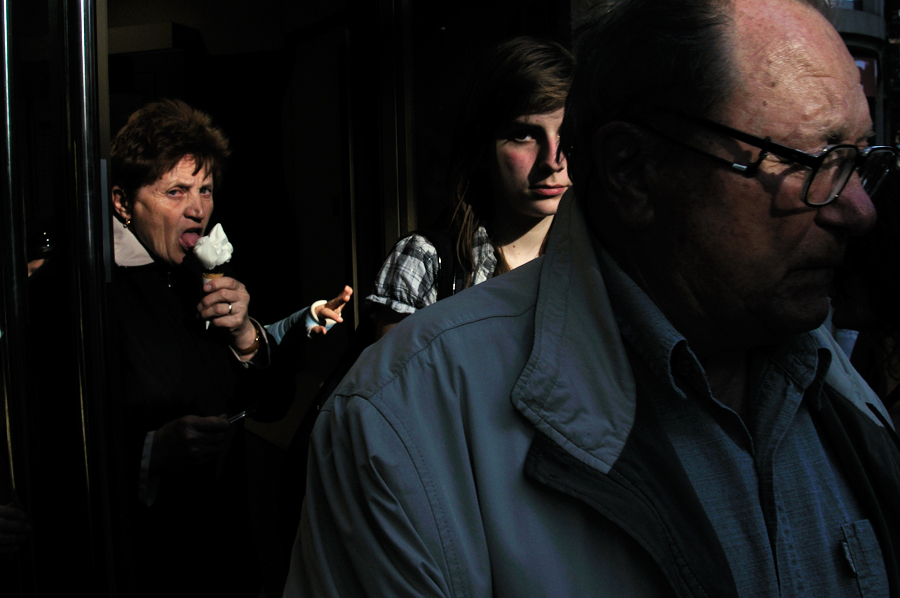
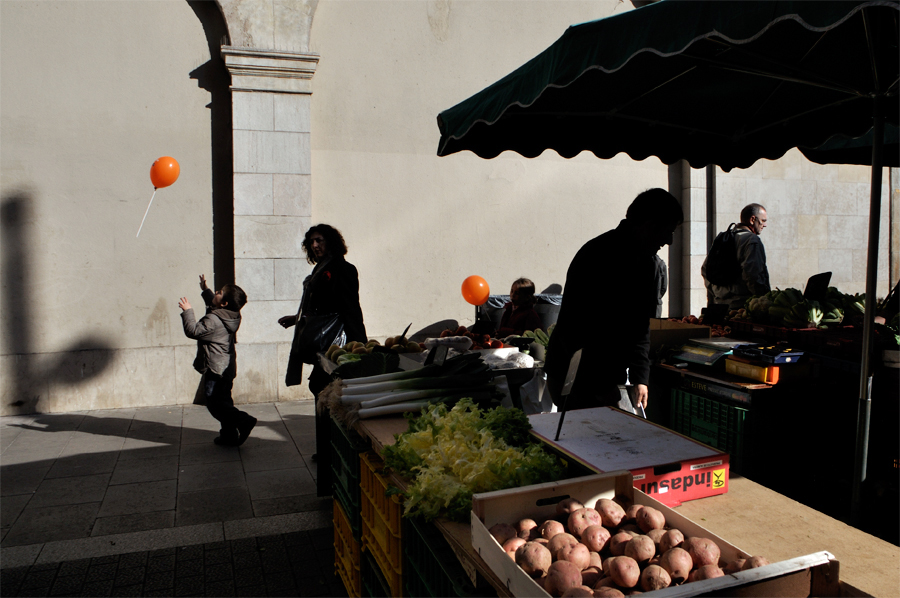
How do you go about shooting a street photograph? I know some quarters of Barcelona pretty well. I know in which hour the light will be good in certain places. I walk in those areas to see what happens. There is a wonderful place in Barcelona called La Boqueria, a small place with beautiful light. I often stay there for about 15 minutes and then move on. So in that sense, I tend to stay for a while in places with good light, and walk back and forth to see what unfolds. But lately, I prefer to walk constantly, taking shots as I go.

How do you go about shooting a street photograph? I know Barcelona pretty well. I know in which hour the light will be good in certain places. I walk in those areas to see what happens. There is a wonderful place in Barcelona called La Boceria, a small place with beautiful light. I often stay there for about 15 minutes and then move on. So in that sense, I tend to stay for a while in places with good light, and walk back and forth to see what unfolds. But lately, I prefer to walk constantly, taking shots as I go.
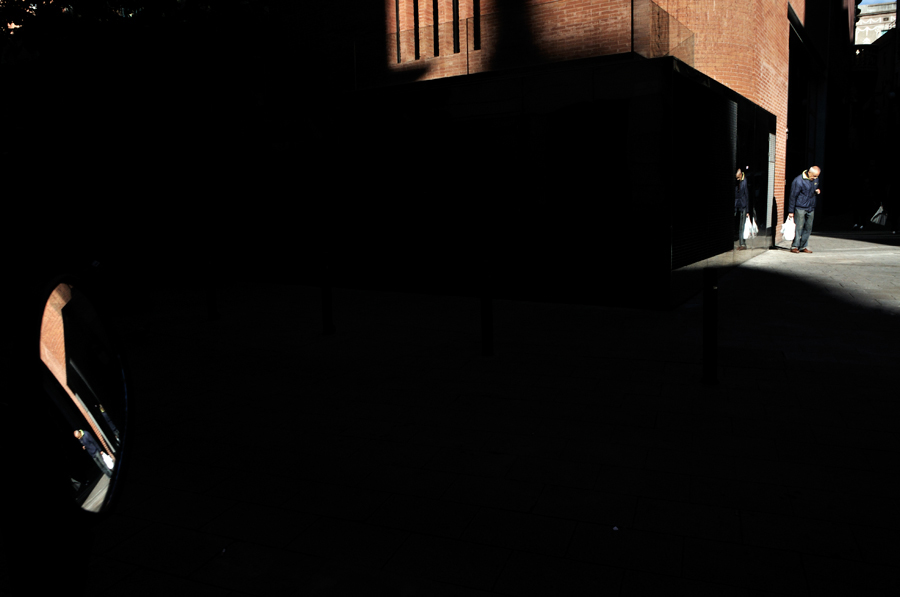
How do you choose your shots when you edit? What tells you that the shot is good? In most cases I know it’s a bad shot. It’s not common to see a good shot. So when there is a good one out of a thousand, you notice it.
Best 3 tips for shooting the streets: Just one: enjoy the walk.

Best single advice on how to improve your work: Be patient? Don’t give up? Try new approaches? I don’t know. I’m still struggling to improve my work, how could I give any advice to others?
Best single advice on how to edit your work: I think you must be somehow detached from your emotional connection with the picture. I have the invaluable help of my wife. Her detailed analysis and thoughtful critiques help me to be detached while I edit.
Best single advice for someone who wants to get into street photography: Get a good pair of shoes?

What’s the best moment in your street photography career? I wouldn’t say I have a street photography career. What would that be? I’m very glad to have been selected as a finalist in the 2011 London Street Photography Festival. That showed me that I was going in the right way. I’m very happy to be part of Calle 35, a Barcelona based street photography collective, and Street Photographers, an international collective which has recently launched a E-book at Blurb Books: Street Photographers.

What’s the worst moment in your street photography career? I really haven’t had even one single bad moment. Sometimes people get upset or ask me to explain what I am doing, but nothing bad at all.

What projects are you working on? That’s a tough question, I’m still asking myself that. Maybe something will appear by itself soon?
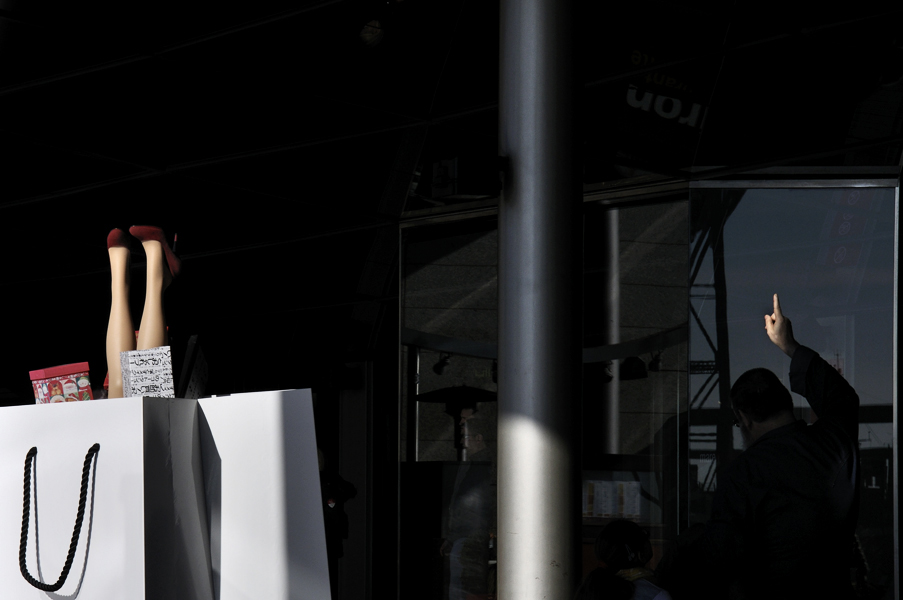
Where do you want to be in 5 years with regard to street photography? I will be fortunate if I still have the time to go out to shoot. I would like to have developed a consistent way of seeing. I would like to be able to articulate the pictures in a strong, solid and coherent discourse.

Are there other exhibitions planned in the future? Alongside my fellows at Calle 35, we will exhibit our work at the Biennal Xavier Miserachs 2012 from September 15th to October 14th in the City of Parafrugell here in Spain. Everyone is welcome!
Leica Liker thanks Martin for sharing his experience and inspirational advice with us.  We look forward to checking in on him in the future.
You can check out Martin’s gear in “Liker Bags’n Gear here”.
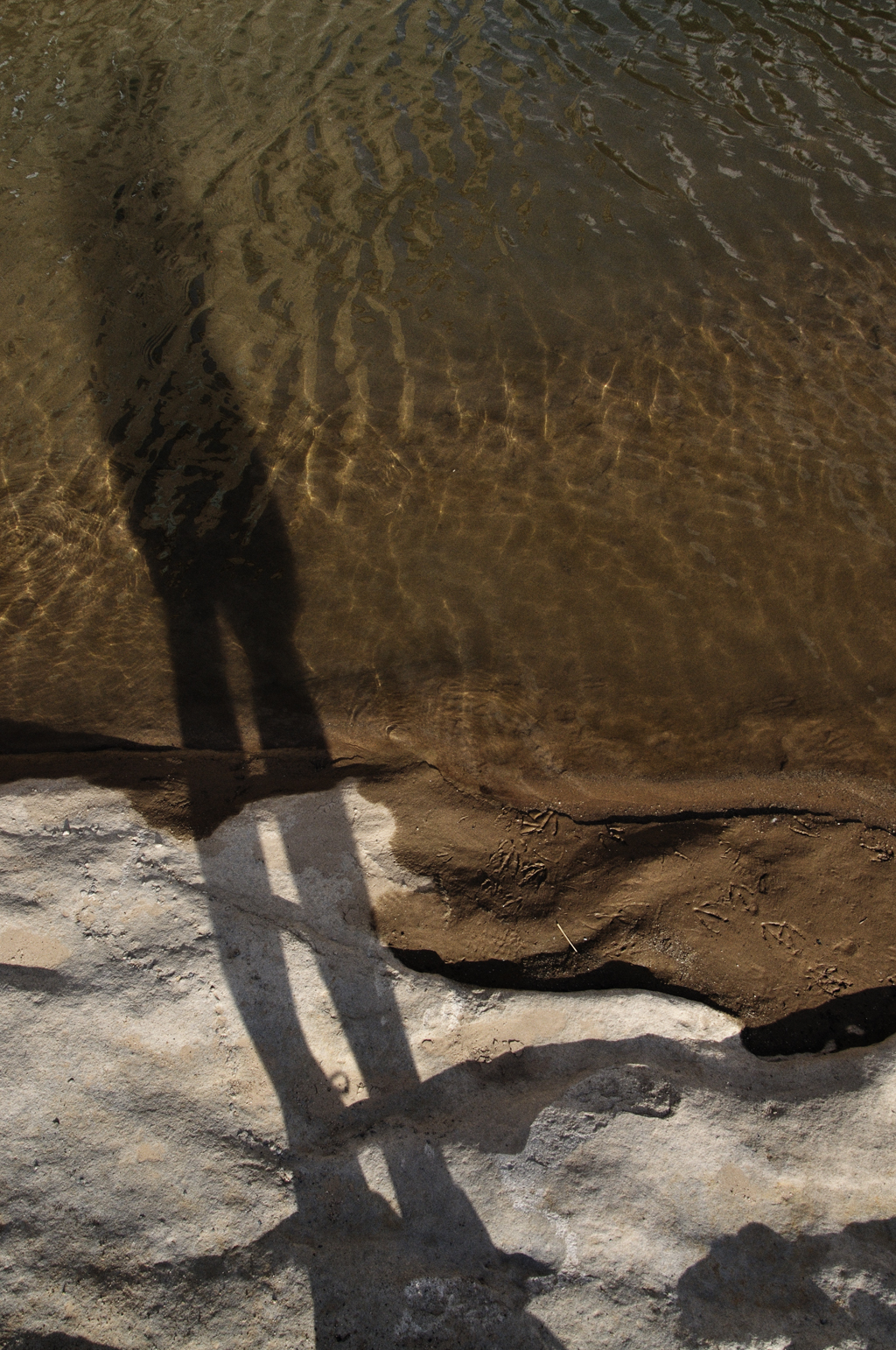
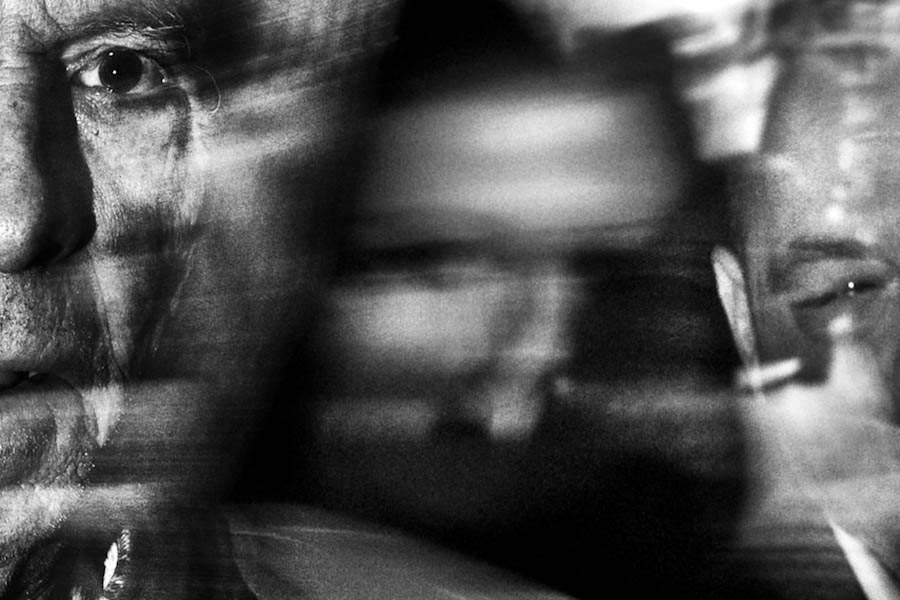
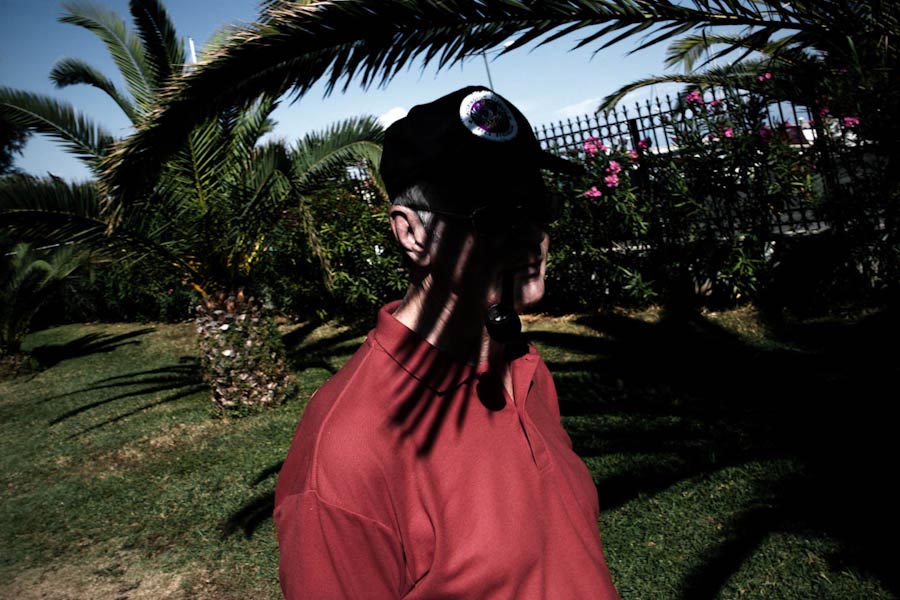
This is Martin’s self portrait. He likes the mystery of life.











 Leica Liker